A photograph of the tablets from Ugarit can be more revealing than a modern retelling of their stories. The characters are small, the edges are broken, and a single piece carries a limited part of the text. The poet had a much larger world in view. Among the stories written at this late Bronze Age city are the contests of Baal, a storm god whose royal power is challenged by Sea and Death. The tablets give a reader of 1 Kings a chance to see what an ancient audience might have associated with Baal and why rain matters so much in the biblical story of Elijah.
What you’ll learn
- Where the Ugaritic tablets were found and how a cuneiform alphabet carries a poem.
- What the Baal Cycle describes in the episodes of Sea, the palace and Death.
- How this ancient literature gives context to 1 Kings 18 and to biblical poetry about storms.
The tablets and their writing
The distinction between the date of a tablet and the age of a story matters here. A tablet records a time by which the words on it were being written down. Its find context and script can help date the physical copy. A tale may have lived in recitation before that copy was made, and individual episodes can have histories of their own. The surviving clay gives researchers a fixed point in the history of the tradition. The date at which someone first sang or told the story remains an open question.
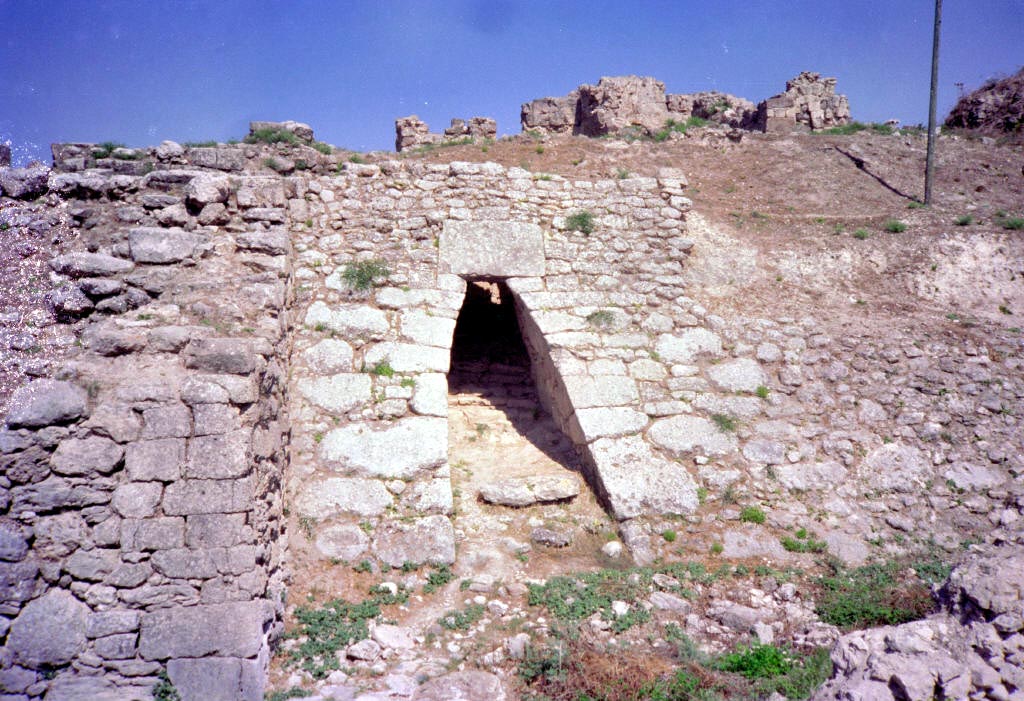
Ugarit stood near the Mediterranean coast of what is now Syria, at the site called Ras Shamra. French excavations began there in 1929 following the discovery of ancient remains in the coastal area. The excavated city brought substantial archives and objects into the study of the Late Bronze Age. Written records ranged from administration and correspondence to literary and ritual texts. One recurring challenge is to connect a particular tablet with a place in the excavated city and a place in a modern edition. The texts discussed here come from a collection conventionally associated with the House of the High Priest on the acropolis. The building name itself belongs to the archaeological interpretation of its setting. The archaeological project’s guide to Ugarit.
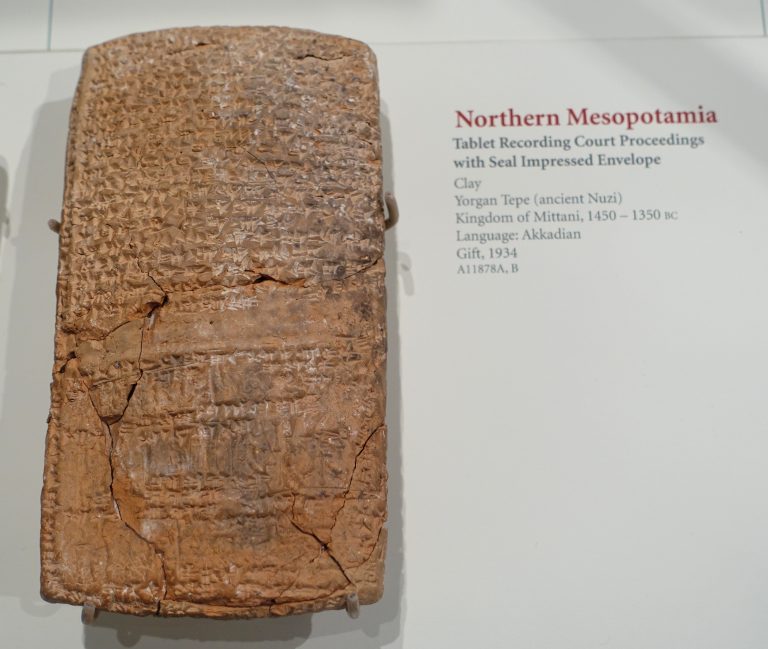
The characters were pressed into clay. They are cuneiform in shape because the marks were made with a stylus, but the shapes function as an alphabet in the Ugaritic writing at issue here. A reader encountering Akkadian cuneiform has to learn a different system for the values carried by its signs. The resemblance of the marks tells you something about the physical tool and scribal methods. It does not by itself tell you how many sounds the signs represent or what language you are looking at. Ugaritic is closely related to other Northwest Semitic languages, including Hebrew, and its recorded words and poetry offer useful material for comparison.
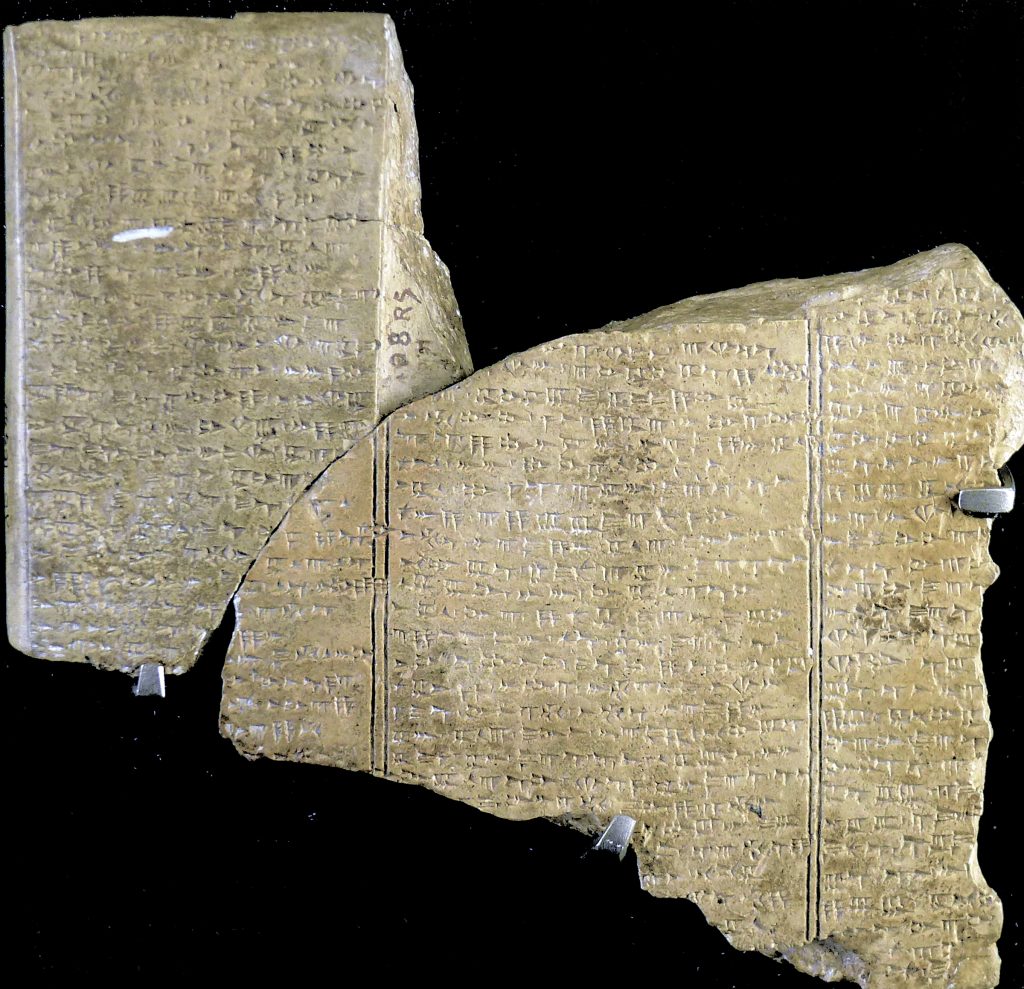
The images from the Louvre show pieces with the accession numbers AO 16641 and 16642. They are parts of the witness usually called KTU 1.5, the fifth tablet in the conventionally numbered cycle. The numbers are a useful way to find one reading in a book and then locate the associated fragment or photograph in a museum record. They also help a reader resist treating a compilation as one intact find. Some lines are clear. Others survive in fragments, and editors compare broken edges, parallel phrases and related tablets in order to decide what can be read. Göttingen’s catalogue of the Ugaritic poetic texts, KTU 1.1–1.6.
A photo makes the nature of that work concrete. Clay preserves many marks, but a break can remove part of the line that supplies its grammar or names its speaker. A translator may present a reconstructed line so that the poems can be read in sequence, with brackets or a note where the evidence is uncertain. An editorial label such as “Baal Cycle” helps group connected texts without deciding every question about their sequence. A useful introduction starts with what the surviving tablets clearly let us follow and then identifies where details of the story come from a scholar’s reconstruction.
Sea, a palace and Death
The cycle is usually read across six tablets. Among the opening episodes, Baal contends with Yamm, or Sea. The conflict involves the right to power among the gods and culminates in Baal overcoming his opponent. The poem assumes an audience that can follow the relationships among the divine figures and the claims made on their behalf. Listeners hear speeches, threats and changes of standing. The story gives public force to a familiar physical world of sea and storm by making these powers part of a narrative about kingship.
The building of Baal’s palace then occupies a substantial place in the cycle. He seeks a residence corresponding to his status. That need produces scenes of persuasion and decisions about how the house should be built and used. Specialists have debated the meaning of making a window in the palace and its relationship to the release of the storm. The details matter to the story because the rights of a ruler involve more than winning a battle. They must be expressed in a place and in relations with other powers. A palace is therefore part of what the poem asks readers to imagine about Baal’s rule. Mark S. Smith and Wayne T. Pitard on the palace tablets, KTU 1.3–1.4.
In the later tablets the conflict with Mot, or Death, puts Baal’s position in danger again. The story describes his absence, mourning and an eventual return to activity. It brings out why rainfall and the force of storms might be heard with particular urgency in an ancient agricultural setting. The evidence for the poems’ performance, audience and possible ritual use has its own uncertainties. A reader can follow death, return and kingship as themes in the stories without assuming that a particular disputed reconstruction of ceremonies is part of the text. The tablets give us substantial poetry and room to keep asking how it was heard.
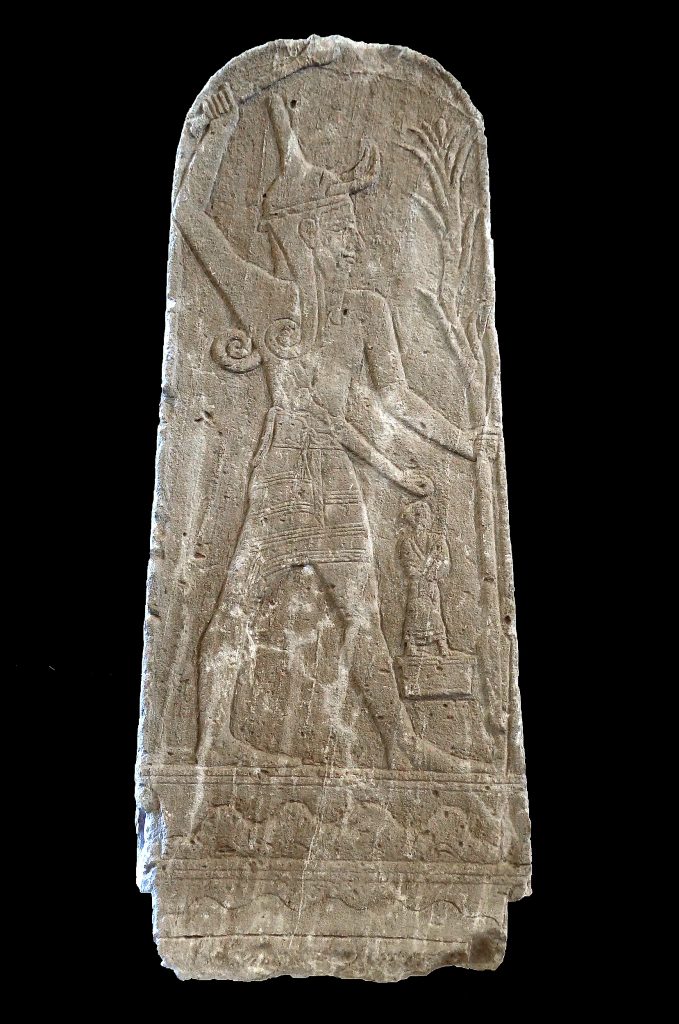
The sculpted figure usually called Baal with Thunderbolt makes a companion to the writing. The raised weapon and the form held in the other hand belong to the imagery of a powerful divine figure. This relief is a separate object from the tablets. Its visual language lets us ask how people at Ugarit represented some of the powers their texts gave a voice. A stone image cannot identify the place in a poem where a particular gesture was described. Image and text can nevertheless sharpen a reader’s sense of the associations that storm and royal power could carry at the site.
An ancient reader could hear a contest for kingship in a story about thunder, sea and rain. The tablets give us a way to recover something of that world.
Put the poems beside Mount Carmel
The narrative of Elijah in 1 Kings 18 begins from a drought and moves toward rain. The contest on Mount Carmel brings the question of whom Israel should follow into public view. The prophets appeal to Baal and receive no answer in the account. Elijah prays to the Lord, the offering is consumed, and the chapter goes on to Elijah’s expectation of rain. This is a better passage to read in full than as a single dramatic scene with fire. The return of rain answers the human suffering set out at the beginning. It also explains why the contest is especially sharp in a region where the storm god could be associated with the rains people needed. 1 Kings 18.
The archaeological tablets come from a city and a literary tradition with their own setting. They do not preserve a script for the events on Mount Carmel. They show us what a storm deity could represent in a neighboring ancient cultural world and make the choice presented to Israel easier to understand. Archaeological evidence for religious stories can help a reader see why a question was urgent even when it does not date or corroborate each event in a biblical passage.
- Read the first and last parts of 1 Kings 18 to follow the drought and return of rain.
- Compare how the chapter identifies the source of power with what the Ugaritic poems describe.
- Keep the date and setting of the tablets in view when drawing conclusions about later Israel.
What the comparison does for biblical poetry
Psalm 29 is a useful second reading. It repeatedly speaks of the voice of the Lord and pictures its force over the waters and the mountains. Readers can see why scholars compare Northwest Semitic poetry and storm imagery when they read such language. The recurrence of familiar images brings a comparison to mind. An argument for the origin of an individual poem, or for a specific borrowing, needs evidence about its language, transmission and setting. We can learn a great deal from shared images while taking the structure and claims of each poem seriously. Psalm 29.
A final exercise is to mark the subject of the verbs. Who speaks, who responds, who receives honor and whose rule remains when the storm has passed? The Ugaritic poems give several named powers a part in contests and decisions. Psalm 29 begins by calling for honor to the Lord and ends with the Lord’s kingship and blessing. A particular kind of comparison becomes possible when images shared across cultures are read beside those narrative differences. We can pay attention to familiar water, winds and mountain terrain and then ask how a writer makes them serve the purpose of a particular text.
We read the Bible as true and understand Elijah’s story as a call to recognize the Lord. That confession gives us a reason to inquire into the ancient words and objects carefully. The tablets are remarkable evidence of how people could tell stories about storms and royal power. They help a biblical reader grasp the seriousness of Elijah’s question and the distinct assurance with which the psalm speaks about the Lord’s voice. Return to the marks in the clay after reading the chapter and the psalm. Both the distance from Ugarit and the conversation across that distance become easier to appreciate.
Sources and further reading
- France’s archaeological project, Ugarit–Ras Shamra — Excavations, site history and the discovery of Ugaritic written records.
- Göttingen, Edition of the Ugaritic Poetic Corpus — Register for KTU 1.1–1.6, excavation settings and manuscript identifiers.
- Mark S. Smith and Wayne T. Pitard, The Ugaritic Baal Cycle, Volume II — Primary edition and commentary on KTU 1.3–1.4, including the palace narrative.
- 1 Kings 18 — Elijah, the contest on Mount Carmel and the return of rain.
- Psalm 29 — Hebrew poetry on the voice, royal power and blessing of the Lord.