In a letter now kept in Berlin, a ruler at Jerusalem asks Egypt to pay attention to his troubles. Abdi-Heba needs help. To reach the most powerful ruler he knows, his appeal must cross from the hill country of Canaan to an Egyptian royal office. The message is impressed into clay in a language taught and read far beyond Egypt. Long before Jerusalem becomes David’s capital in Scripture, this letter and others like it let us hear from a ruler who represented the city in its relations with its neighbors and with Pharaoh.
What you’ll learn
- How we know a tablet excavated in Egypt was sent from Jerusalem.
- Why Abdi-Heba’s letter reads the way it does and what action he wants.
- How the letters illuminate the world of biblical Canaan and what the names on them can establish.
Why the tablets turned up in Egypt
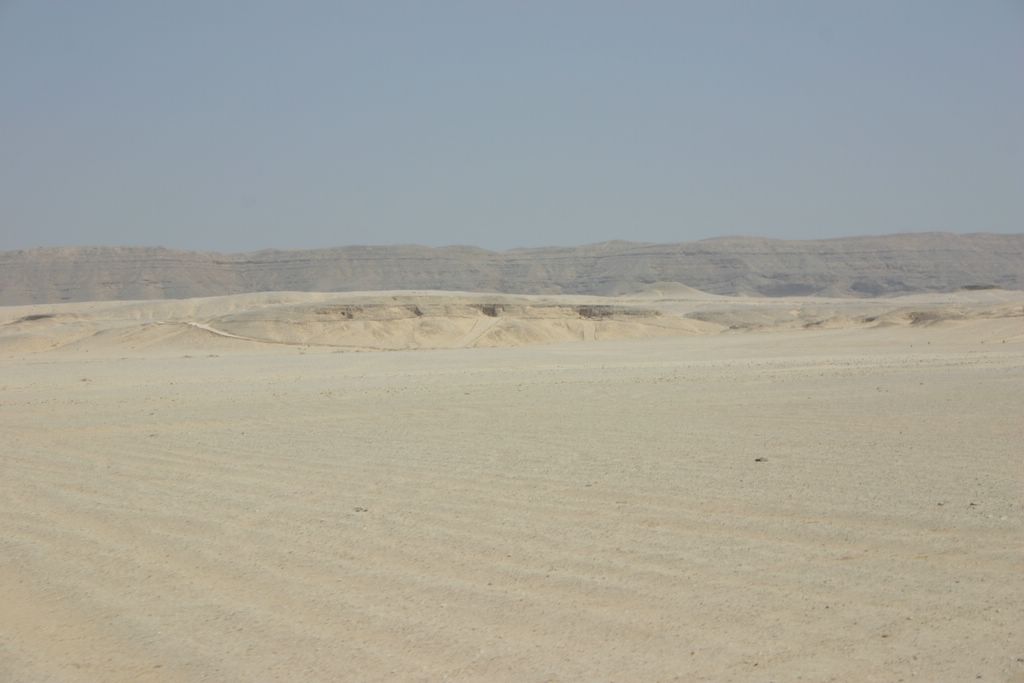
Amarna is the site of Akhetaten, the royal city founded by the Egyptian king Akhenaten in the fourteenth century BC. The known group of letters from the site began to come to wider notice in 1887. The Metropolitan Museum notes that accounts of the first discoveries differ. Early finders and antiquities dealers were part of the tablets’ modern history. Later excavations supplied information about the buildings and about the royal records office. Some of the correspondence dated to the reign of Akhenaten’s father, so letters could have been brought to Amarna from an earlier archive. The Met’s account of the discovery and archive.
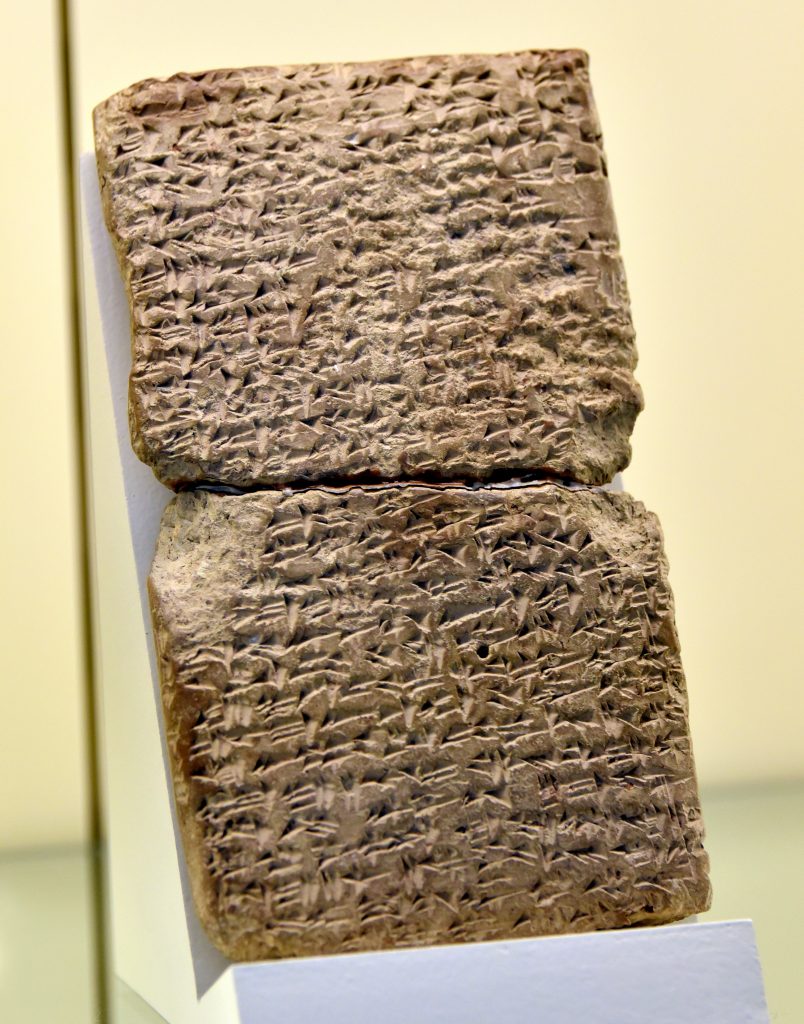
A sender’s place, the destination of a letter, and its point of modern recovery can all be different. The tablet found at Amarna supplies its place in an Egyptian archive. The names and setting within its message supply information about Jerusalem and the wider region. We can ask a question about the Egyptian office without treating the letter as an Egyptian account of the situation in Canaan. It was a message somebody there was trying to get heard. That is what makes the dispatch an unusual archaeological source for the people who governed the city before the Iron Age.
The clay carries marks made by a stylus. This is cuneiform, the writing system used to record Akkadian and other languages in different settings across western Asia. Akkadian was used for much of the diplomatic correspondence at Amarna. Scribes working in Canaan could bring local forms of grammar and expression into the language expected by their readers. Their training helped them adapt familiar formulas to an important request. That combination gives linguists material to study even where we know little about the person who actually made the marks. A letter bears the ruler’s authority without telling us that he inscribed it himself. A study of the language and literary practices of Canaanite scribes.
A photograph or drawing matters because an English rendering can smooth over questions that are visible in a text edition. An edition can distinguish a legible sign from one supplied where the surface breaks. It can identify a place name and show where a scribe shifts convention or spells a word in an unusual way. The museum number gives a reader a way to find a particular version of that evidence. Knowing the difference between a catalog entry, photograph and translation makes it easier to see why the Amarna letters are so important as documents as well as stories.
How a ruler asks for help
Abdi-Heba’s letters are listed together as EA 285 to EA 290 in modern editions. The initial letters refer to el-Amarna. EA 286, for example, has a Berlin collection number, VAT 01642, and a distinct catalog identifier, P271088. Those designations help us cross-check a passage in an edition against the whereabouts of an individual ancient object. Similar words in two tablets do not necessarily mean the same message has been found twice. A ruler may return to the same problem and describe it differently after matters have changed. CDLI record and editions of EA 286.
Abdi-Heba opens deferentially and speaks about his position as something the Egyptian king granted him. As the complaint proceeds, he makes trouble among the cities an issue the king needs to address. His area is part of the lands he describes as belonging to Pharaoh. He warns of the danger of losing ground and asks for action, including the dispatch of troops. Think of what a letter like that has to accomplish. It must persuade a reader very far away that a situation is urgent, that the sender is faithful and that intervention is both possible and worth the effort. The Amarna Texts edition of EA 286.
That framework is worth remembering when we read any claim one ruler makes about another. If a correspondent can describe a rival as a threat to lands Pharaoh regards as his own, a local conflict becomes an Egyptian problem. A request bears witness to an actual political relationship and to the sender’s way of representing the danger. It can supply facts about other people too, particularly when names and places can be compared with independent letters. The surviving material is incomplete. Sometimes the opponent’s explanation of the same incident will be elsewhere, and sometimes all we can recover is the version that helped someone make a case.
Abdi-Heba’s letter gives us the Jerusalem ruler’s voice and a reason to ask what he expected Pharaoh to do once it was heard.
The argument about loyalty is itself historical evidence. A ruler who points to the king’s authority in his own appointment is describing a relationship of obligation. He can appeal to that same relationship when he says Egypt has something to lose. A reader can follow that part of the argument even when the geography of a particular dispute is hard to reconstruct. This is one of the richest uses of the tablets. We can recover some of what a local ruler thought a distant court would understand about the political responsibilities of their respective offices.
Two correspondents and different relationships
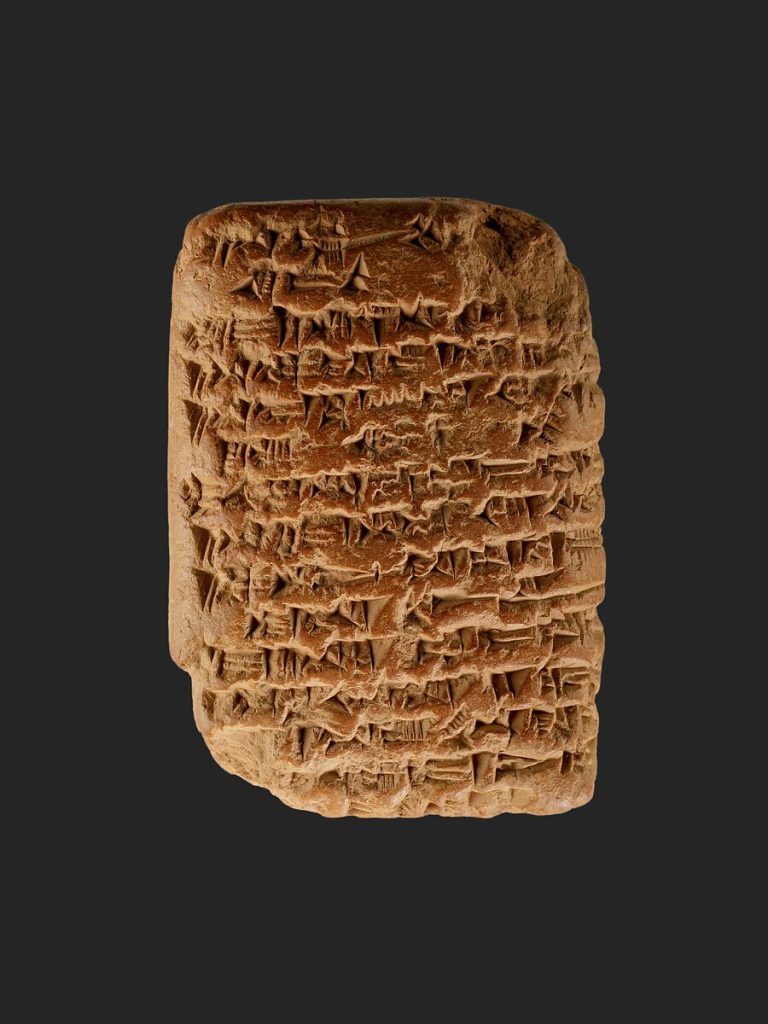
The Amarna archive contains letters from a range of correspondents. The Assyrian example illustrated here was sent by a king with different standing from a local ruler of Canaan. Letters could open with a language of kingship and gifts, or with repeated gestures of submission. Each opening signals a way of addressing the recipient before the subject even begins. The comparison is worth making because so many things about the documents look alike. Both are tablets with cuneiform writing, found far from their sender. How the sender identifies himself is a clue to the kind of relationship he hopes his audience will recognize. The Met’s Assyrian Amarna letter.
- Begin with the sender and recipient, then follow how the opening establishes rank.
- Underline the terms for territory and loyalty in a letter asking for aid.
- Identify what the letter asks for and compare claims about rivals with other evidence where it survives.
Try reversing the route while reading the letter. Begin at the recipient’s archive, where messages could be grouped with other records available to a powerful court. Follow the claim back to the city named in the dispatch and then outward to places and people it mentions. This way of reading brings a map into the work without making the tablet into a complete description of the landscape. The archive tells us which relationships generated correspondence people preserved. A place with no surviving letter need not have lacked political or commercial ties. Survival is part of what shapes the map we can draw.
Later biblical appearances of the city also repay attention in this comparison. Judges 1:8 and 1:21 put destruction and continued Jebusite presence in close proximity in the account, and 2 Samuel 5 describes David taking a stronghold in Jerusalem. Readers have reason to look at precisely what changes in each episode. The clay record from Amarna expands the time horizon for thinking about the place, and each later text gives a separate set of events. It is easier to appreciate the testimony of both kinds of source when each is allowed to tell us about its own time.
Jerusalem in the biblical accounts
In Joshua 10, a ruler of Jerusalem named Adoni-zedek brings together allies from other cities. Joshua describes their reaction to a changed political situation and follows the outcome of their coalition. The Amarna letters offer an independent picture of the region’s relationships among cities, men who governed them, and the larger powers they dealt with. Abdi-Heba and Adoni-zedek belong to different texts and their circumstances have to be considered separately. What the comparison offers first is a city functioning in a region of other powers. A coalition can make more sense to a reader who has seen how quickly an issue involving one city could draw attention from several. Joshua 10, Judges 1 and 2 Samuel 5.
In discussions of these sources, the word often rendered Habiru or ‘Apiru sometimes draws more attention than the rest of the letters. The similar sound of “Hebrew” has led readers to compare the terms. Related records from the wider Near East use forms of Habiru in a range of contexts. The description can apply to people whose relationship to the established settlements or political order is precarious or adversarial. A designation used in a complaint addressed to Pharaoh can tell us how one writer classed the people he feared. Establishing the identity of a people in Scripture requires evidence beyond the resemblance of two names.
The letters are also distinct from a complete archaeological history of the city. Records about an early Jerusalem can help show it existed as a center of authority. What the city looked like, how many people lived within its defenses, and precisely how its surroundings were organized call for other kinds of evidence. These distinctions often matter most when the writing is unusually exciting. A familiar place name can be both one of the oldest pieces of documentary evidence we possess and a small part of a long history of rebuilding, use and change.
We read the Bible as true and appreciate the setting the tablets give to its references to Jerusalem. Joshua, Judges and Samuel can be read with fresh attention to where people stand and to the decisions they face. Correspondence from the Bronze Age brings a particular ruler’s anxiety, strategy and place in a hierarchy within reach. Scripture follows the city through its own sequences of conflict, settlement and rule. Study one letter closely, then return to the biblical accounts. The ruler who wants Pharaoh to intervene has helped us see how much was at stake for a city in the Canaanite hill country.
Sources and further reading
- CDLI, EA 286 (P271088) — Museum number, findspot, ancient text record and scholarly editions.
- Lauinger and Yoder, The Amarna Texts, EA 286 — Electronic edition of the letter from Jerusalem.
- The Metropolitan Museum of Art, The Amarna Letters — Modern find history and the scope of royal correspondence at Amarna.
- Canaanite Literary Culture Before the Bible — Primary study of Canaanite scribal practice and language.
- Joshua 10, Judges 1 and 2 Samuel 5 — Biblical scenes involving Jerusalem over successive periods.




