The palace at Mari preserved work that ancient kings normally sent out of sight. A letter from an official could report what a neighboring court was saying. A clerk could mark off a delivery from a grain store. Someone could send the king words that a religious speaker claimed to have heard from a god. When excavators uncovered thousands of clay records, they found voices from the early second millennium BC that had been missing from the written history of western Asia. For Bible readers, the find puts travel, relations among households and territories, and the place of prophetic speech into a better-documented ancient setting.
What you’ll learn
- How André Parrot’s team uncovered the palace at Mari and where its letters fit among the excavated record groups.
- How a dispatch, an administrative document, and a royal inscription answer different historical questions.
- Where comparisons with Genesis and biblical prophecy help, and what requires more specific evidence.
The city and the discovery
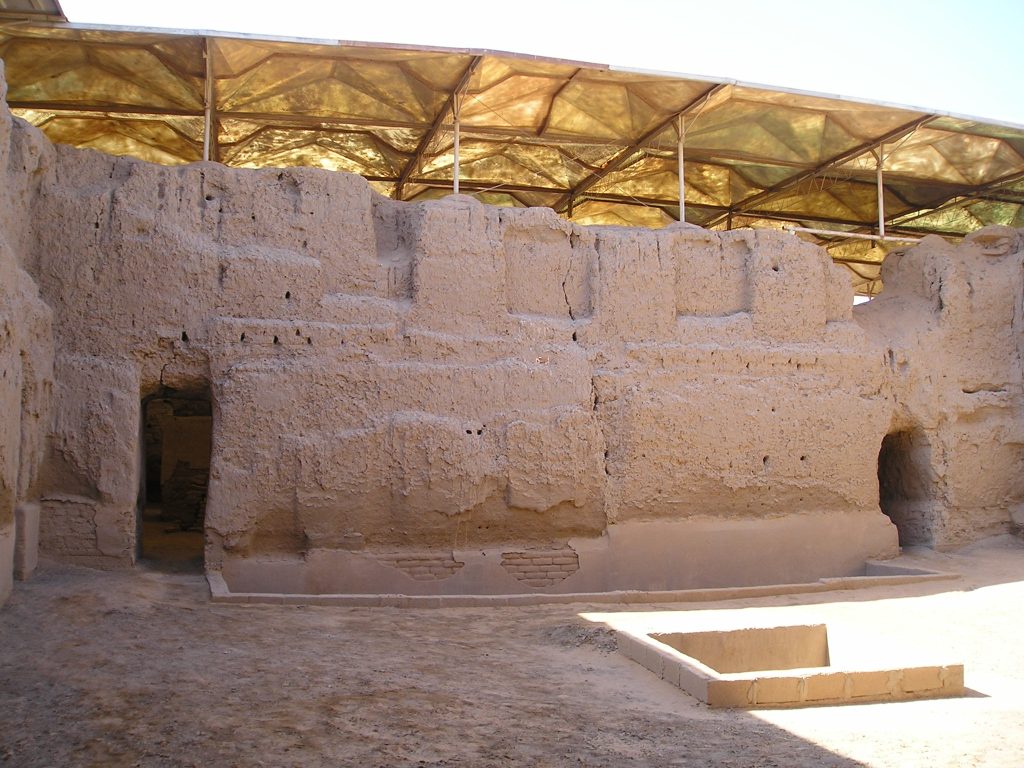
Mari sat at Tell Hariri in present-day Syria, on a terrace of the middle Euphrates. The river connected the city with routes into inland Syria and downstream toward Babylonia. The settlement went through multiple building phases. The palace exposed by excavation belongs to the final flourishing of the city before troops of Hammurabi of Babylon destroyed it in the eighteenth century BC, around 1760 in the chronology used by the French project. Many letters tell us about the years before that destruction. The ruined walls and the archives therefore preserve parts of the same historical sequence at different scales. French mission’s history of research at Mari.
André Parrot began the excavation in the 1933–34 season. The mission began uncovering the major royal palace in 1935 and found its archives in the campaigns of the later 1930s. A distinction between the first investigation of the site and the recovery of the archives matters because references often assign different modern years to the discovery. The mission’s accounts give roughly fifteen thousand texts for the Amorite-period archives, and they identify older administrative documents and subsequent discoveries separately. Larger totals in references can depend on what is counted as a text and what excavated material is included. Many individual finds are fragments. Excavation history of the Great Royal Palace.
In 1938 Georges Dossin published a report about the palace correspondence. The accumulation of letters was important because it restored information about affairs known mostly through other kinds of records. An official royal inscription was designed to proclaim achievements and usually foregrounds the king. A letter may be the only witness to an unresolved quarrel or an urgent report sent before an outcome was clear. A list of supplies puts less emphasis on the individual who delivered it and more on how the palace tracked what it used. These differences let researchers ask how a large institution operated between the famous events rulers commemorated. Dossin’s early account of the epistolary archive.
Letters beside the accounts
A palace archive reflects what the palace thought worth keeping. It gives unusual access to people who delivered goods, moved between territories, or addressed a ruler, often through the eyes of a royal employee. Some letters name a messenger who may otherwise disappear from the records. Others preserve only the sender, the addressee, and a broken part of a report. The survival of many pieces can turn such small details into a record of a wider practice. The archive still leaves much of ordinary life unrecorded. People who had no reason to correspond with the palace could be important in their own communities and remain nearly invisible in its accounts.
The majority of palace writing had a practical use. Records kept track of goods, personnel, and religious or household requirements. The group of documents the French mission calls the king’s meals, for example, includes accounts related to stores of grain. Comparing entries made by different scribes lets researchers reconstruct routines a single letter would assume rather than describe. Names repeated across documents can also help show who did several jobs or remained in office. A record kept to answer a question for a palace official has become a source for questions that an ancient official probably would never have thought to ask. French mission’s description of the administrative and letter collections.
A palace’s letters also show that political relationships needed continual maintenance. In one modern edition, ARM 26/2 534 is the dispatch of an official addressing Zimri-Lim from the court of Carchemish. Its published entry preserves the Akkadian transliteration and the line divisions. Even the preserved opening, with the official announcing a message to his lord, helps show both the relationship and the job the tablet was made to do. Texts like it let a historian map communications between courts. The network can extend far beyond the buildings that happened to preserve the archive. Catalogued Mari dispatch ARM 26/2 534.
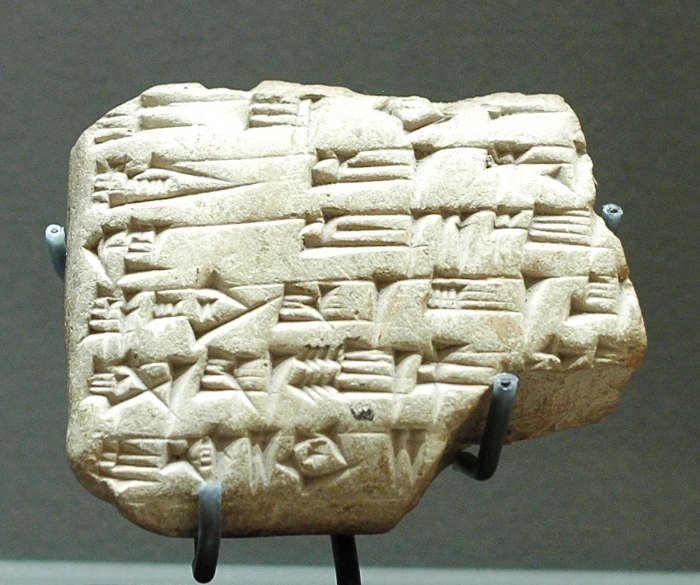
A related inscription in the Louvre concerns a very different royal project. The tablet names Zimri-Lim and records an icehouse in the city of Terqa, elsewhere in his kingdom. Its precise title, find association, and function should be carried with the photograph. A museum image labelled simply Mari can refer to a work of the ruler of Mari even when it came from a different town. Read beside dispatches and accounts, this inscription adds another practical detail about the administration’s ability to organize labor and store resources. The object has a different job from the letters in the palace archive. Louvre record for the icehouse tablet AO 20161.
A king’s formal inscription announces a completed deed. A letter can let us listen to an official while what happens next is still uncertain.
Mari and the travel in Genesis
The scale of the archive makes a geographical comparison especially valuable. The palace stood on the Euphrates, the city named in a message could be a long distance away, and the route between the two often remains unstated. Historians assemble those relationships from several records. The same distinction helps a reader of Genesis follow the stated origins, stopping places, and destinations while leaving the paths between them open where Scripture gives no further detail.
Genesis 11 and 12 describe a household going from Ur to Haran and on to Canaan after the Lord’s call. Genesis 24 follows a servant sent from Canaan to the land associated with Abraham’s kin. The narratives name places and relationships and reward a close reading of both. Mari’s location helps us think about the wider world through which people traveled. Cities retained local identities, but they were linked to other places by messengers, trade, and the movements of households and herds. The archive offers a much fuller record of how people in one region navigated such relationships.
A travel comparison is strongest when it stays at the right level. Old Babylonian letters document named people, leaders, and routes in the king of Mari’s world. That is evidence for ancient practices and possibilities. It does not show which road Abraham took or place his family in the palace’s correspondence. Mari’s archives mention people who moved with livestock as well as people based in settled communities. So it is possible to examine how mobile and settled groups existed alongside each other without forcing a biblical family into one modern category. Routes and contacts also changed as governments rose and fell. The presence of an important regional center is a reason to draw a careful ancient map, not permission to fill in a missing itinerary. Published historical survey of Mari and its political geography.
Another point of comparison is the appearance of group names and names with a familiar sound to Bible readers. Historical linguists compare spelling, pronunciation, and the settings in which a name appears. A similar-looking name can be meaningful evidence about how people in related languages formed names. The stronger claim that two records identify the same person or tribe needs a match in time, geography, family connections, or other identifying details. That distinction protects the real history one can recover from the archive. Readers can appreciate the early record of western Semitic names while keeping the people and events of Genesis anchored in their own account.
When a word was sent to the king
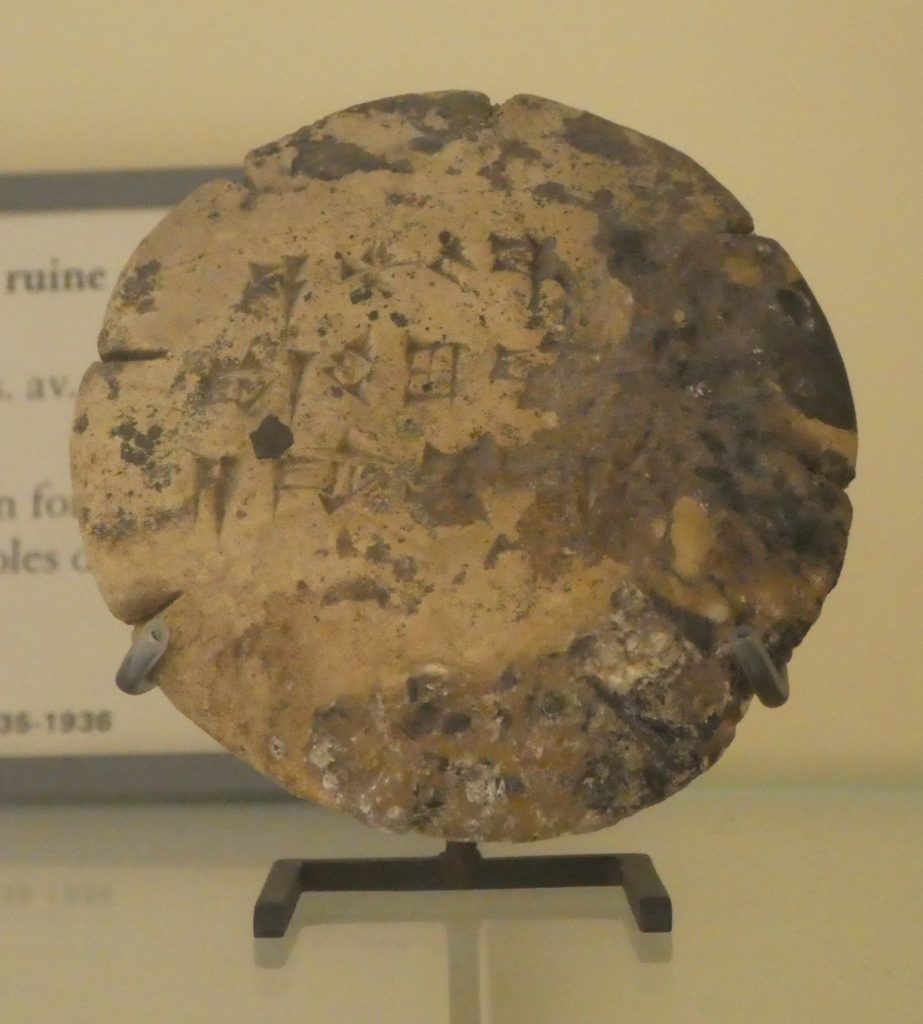
Mari’s letters sometimes relay what a religious speaker said a deity had communicated. In one letter, an official conventionally rendered Nur-Sin transmits an oracle associated with the storm god Addu and refers to a group designated by the Akkadian term āpilū. The message has moved from speaker to official to tablet to the king’s files. There are several such terms in the corpus, which differ according to their usage and context. A record of an omen is another kind of evidence for seeking guidance. In both cases, retaining the original document category gives us a more exact comparison with the biblical accounts. Study of prophetic roles and speech in the texts from Mari.
The Bible often shows a prophet bringing a specific word before a ruler. In 2 Samuel 7, the Lord sends Nathan to David with a promise concerning his house. In chapter 12, Nathan confronts the same king with his wrongdoing. A public claim to a divine message could be important to the political life of an ancient court. The words spoken by Nathan have their meaning within Israel’s own history with the Lord. In David’s case the prophet can announce God’s promise and require the ruler to face guilt. The two chapters together show the authority behind the message even where it makes the king uncomfortable.
As Christians we read God’s call to Abraham and the words he gave Israel’s prophets as true. The Mari tablets help us see why those claims address recognizable human concerns. People in an ancient city needed to know who would protect them, whose word could command loyalty, and what would happen to a house or kingdom after its leader was gone. The palace’s clay records make these concerns visible in one old society. Scripture shows how the Lord spoke and acted in the lives of his people. For another look at relations among ancient rulers, see the Amarna letters written from Jerusalem, part of a much later network preserved in a separate archive.
Sources and further reading
- Discovery and excavation of Mari’s palace — French archaeological mission on fieldwork and the palace’s destruction.
- Research history — French mission on the city and decades of fieldwork.
- Archives texts — Institutional account of administrative records and letters.
- Les archives épistolaires du palais de Mari — Georges Dossin’s early archive report.
- ARM 26/2 534 — Catalogued palace dispatch with transliteration and bibliography.
- Zimri-Lim tablet AO 20161 — Louvre catalogue on the Terqa inscription.
- Prophecy in Clay — Published analysis of prophetic language and roles in the archive.
- A Survey of Mari History — Historical study of the period and its communities.





