Lesson 5 of 5 · About 20 minutes · Course outline
A palace wall in ancient Nineveh carried a carved scene of a king receiving the spoils of Lachish. Far away in Judah, a bank of stones still meets the slope of that city. Second Kings places the Assyrian king Sennacherib at Lachish during his campaign against Hezekiah. Your task in this lesson is to put those observations together. By the end, you will write a short historical finding that explains what each source contributes and what question you would investigate next.
What you’ll learn
- Locate Lachish, Jerusalem, and the palace findspot at Nineveh.
- Explain how an excavated feature and an ancient royal image can support the same conclusion in different ways.
- Use the methods from the first four lessons to write and check a short historical argument.
Start with a map
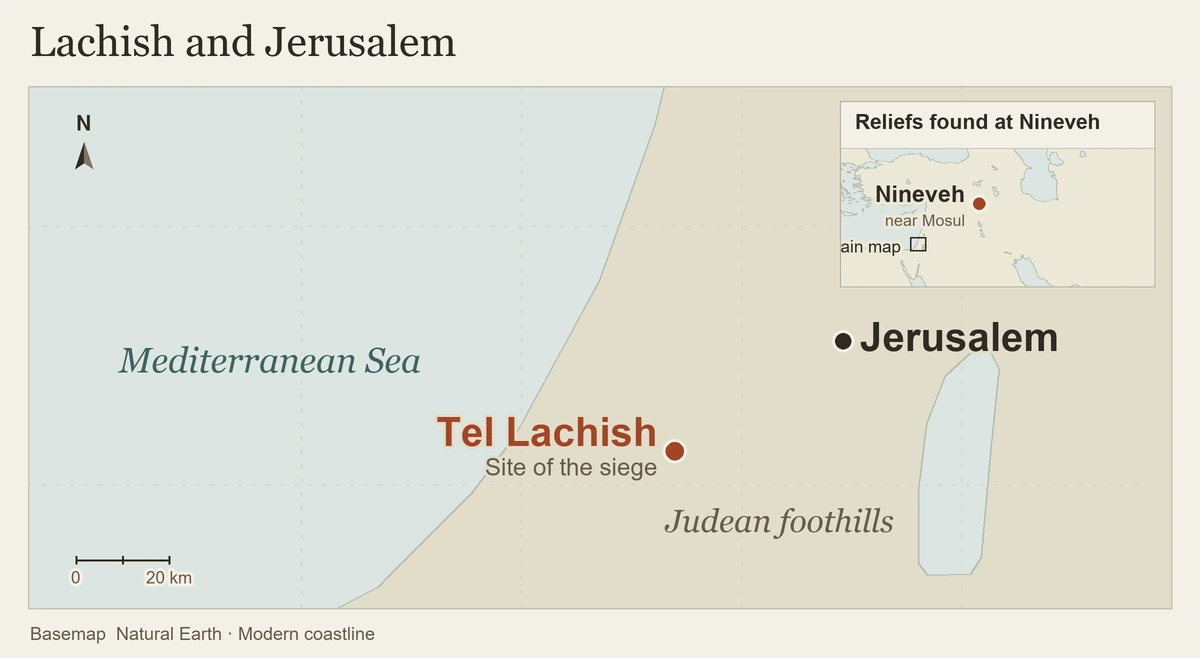
Find Lachish in the Judean foothills and Jerusalem in the hill country to its northeast. Nineveh is on the inset near modern Mosul. The position of each city matters. Lachish is the place where the ramp and siege evidence were found. Nineveh is where archaeologists recovered the carved panels of the attack. Jerusalem is the royal city that becomes central in the remainder of the biblical account. You can use the map even if you have never visited any of these places.
Practice naming locations with a complete sentence. The relief was recovered at Nineveh and depicts an attack on Lachish. The stones in the archaeological photograph are at Lachish. That is an important distinction from Lesson 2. A surviving object can carry evidence about a place other than the place where archaeologists find it. Its historical value depends on our ability to keep its original setting, subject, and discovery location in view.
Read the evidence one piece at a time
Read 2 Kings 18:13–17 first. Write down the names of Sennacherib, Hezekiah, Lachish, and Jerusalem as you encounter them. The passage says that the Assyrian king took fortified cities of Judah and that Hezekiah sent to him at Lachish. It records payment and then an Assyrian delegation sent from Lachish to Jerusalem. Second Chronicles 32:9 also places Sennacherib at Lachish while a message is sent to Jerusalem. Note how easily two cities can slip into one in a reader’s memory if the references are skimmed. The places play different roles in the story.
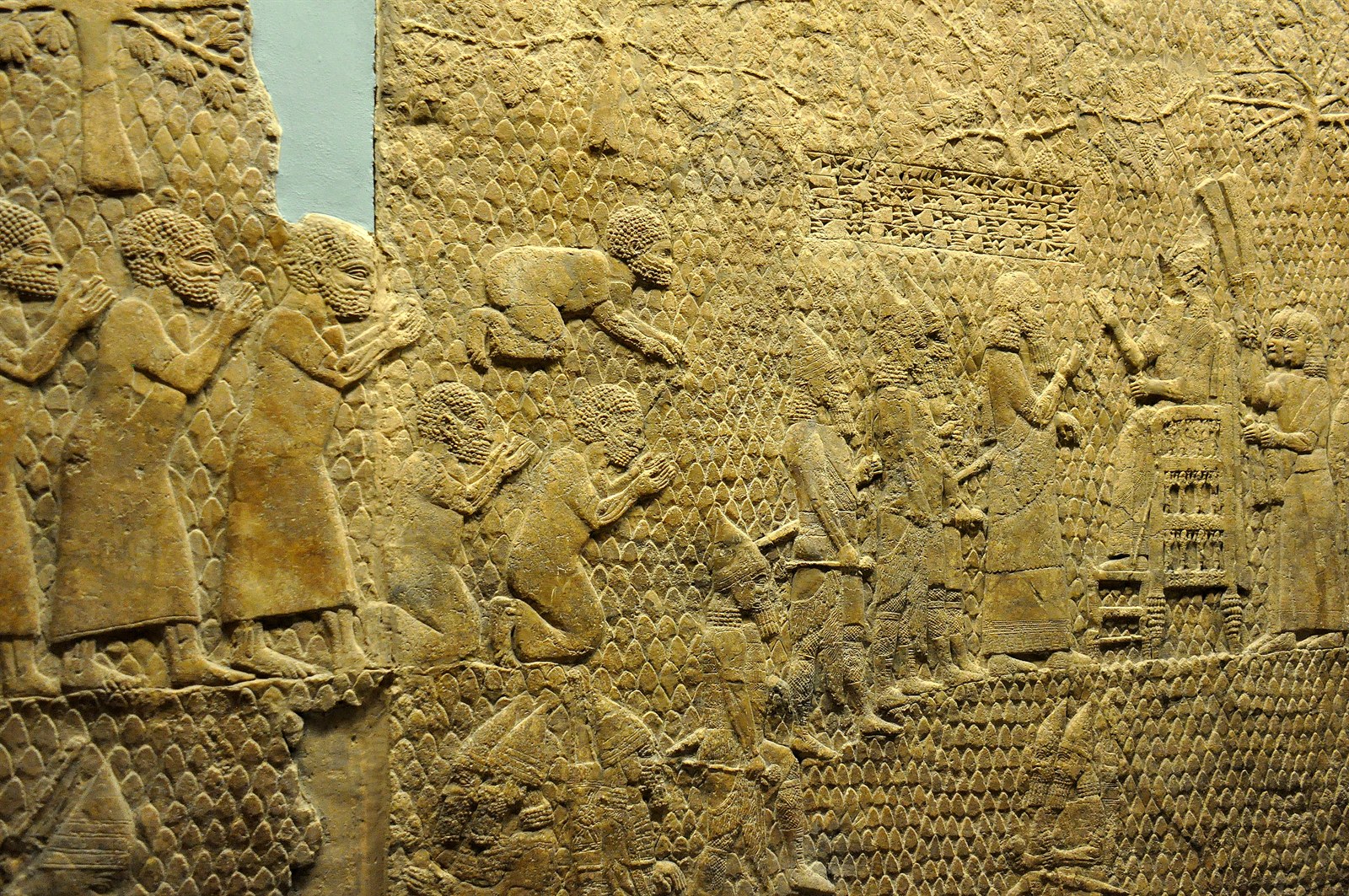
Now look at the scene from the relief. Begin with details you can describe: a seated ruler, figures before him, and marks arranged into lines on the stone. The published edition of the cuneiform label names Sennacherib and Lachish and describes the spoil passing before the king. That short inscription gives a stronger identification than the appearance of a hill or gateway alone. The panels were displayed in the royal palace at Nineveh. Their audience was meant to see a king who prevailed and who commanded the labor needed to preserve his achievement in stone.
Ask which details are likely to have mattered to the people who planned the display. Richly rendered figures and repeated movements can organize several moments as a single story. We can read that story for material details such as the fortification and the experience of captives. We can also ask which parts of a conquest a king might want to emphasize. That question does not make the relief useless. The identification of the town can still be strong while a proposed reconstruction of every stage in the scene remains open.
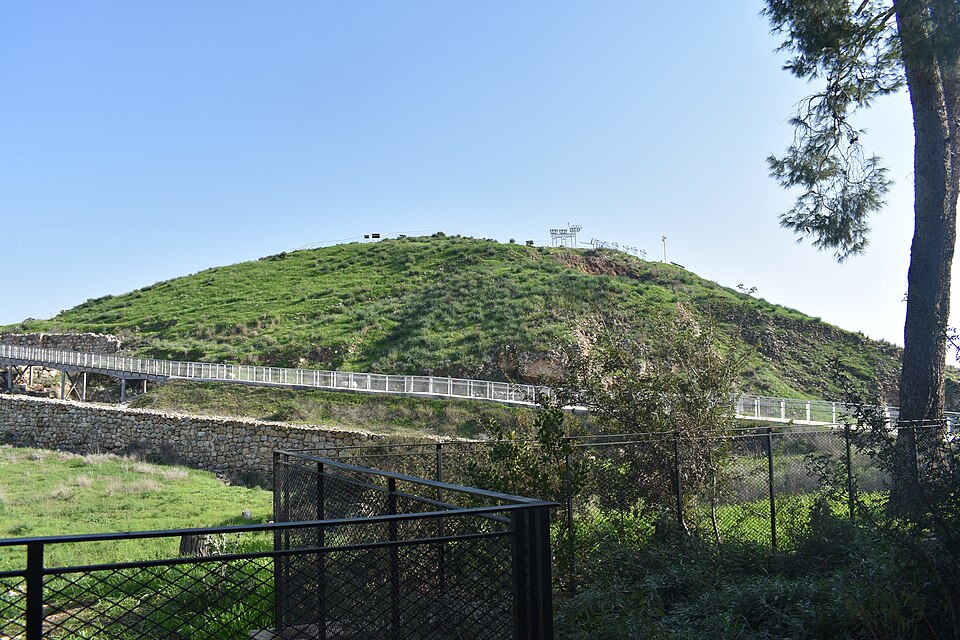
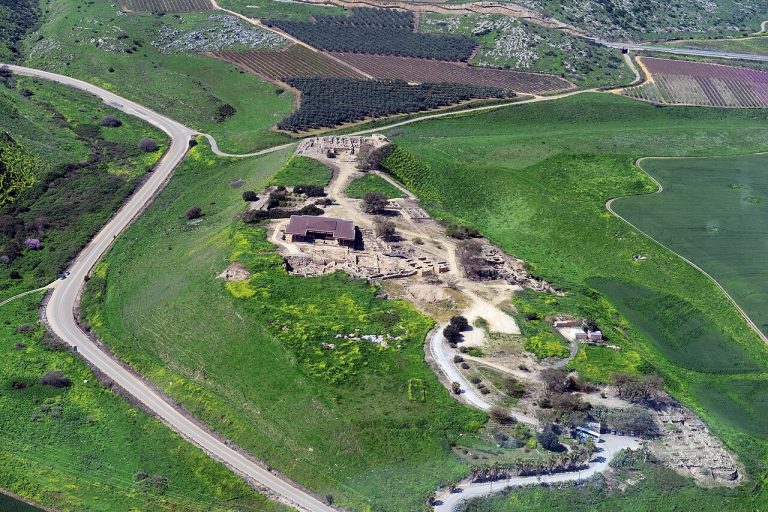
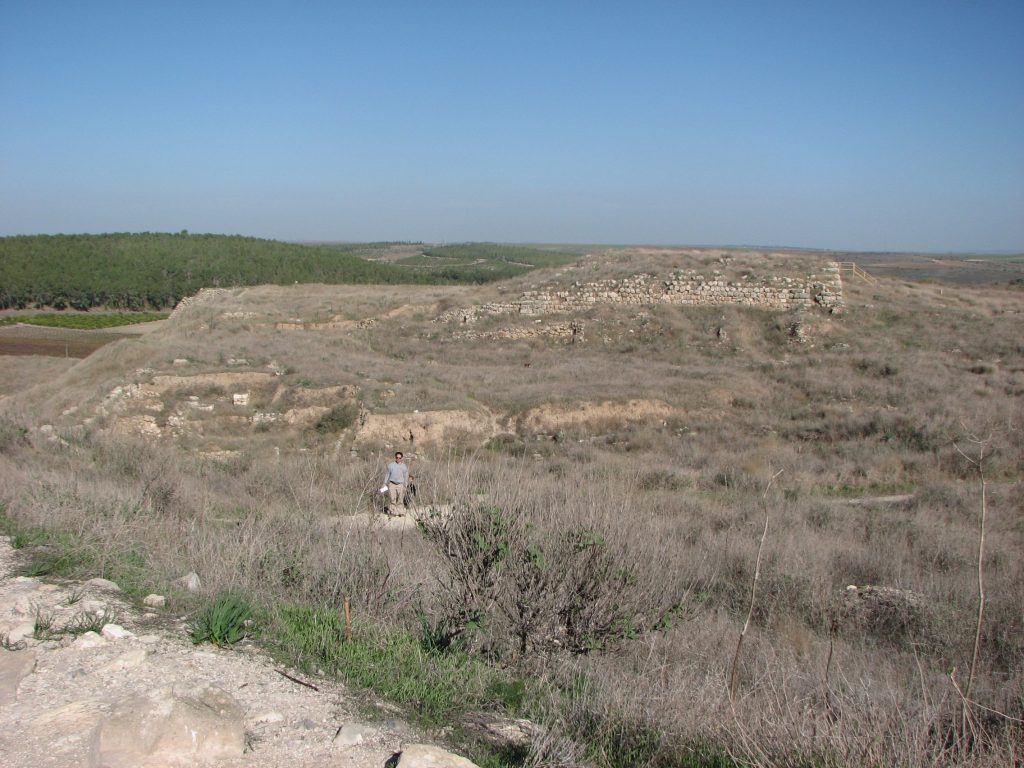
At Tel Lachish, excavators recorded the stone ramp against the southwest slope of the mound. The position and relationship to the defenses can be studied on the ground and in photographs. Garfinkel and colleagues measured and modeled the remains to explore how the siege installation was built. Their study distinguishes surviving stones from a reconstruction of the earlier form. Modern paths and railings in the photograph are useful for getting our bearings today. They belong to the visit rather than the ancient siege.
The excavation also matters for the date. The installation is studied in connection with the fortified city that archaeologists call Level III. Dates come from comparisons among the building sequence, the finds in relevant deposits, and the wider historical records for Sennacherib’s campaign. The ramp is material evidence of the attack at the town. The precise date is a conclusion made by relating different records. This is the distinction from Lesson 3 between observing a feature and explaining which event or stage of a city’s life it belongs to.
The excavation locates the ramp. The relief names the town it represents. Scripture places Lachish within the campaign against Judah.
Watch an excavator explain the evidence
In this optional video, David Ussishkin explains the evidence his team investigated at Lachish. As you watch, listen for the distinction between a feature uncovered at the site and the event used to explain it. The point to carry into the exercise is available in the photos and text as well. The ramp survives on the slope of the ancient city, and scholars can compare its placement and associated remains with the account of an Assyrian campaign.
Write your historical finding
Take five minutes. Write three sentences, one about the excavated site, one about the relief, and one about Scripture. Use one specific detail for each. Then write a fourth sentence that explains what they establish together, and a fifth giving a question they leave open. Your strongest point will be a claim stated narrowly enough that a second reader can check your reasons. Try writing the five sentences before opening the example.
See a model historical finding
At Tel Lachish, a stone ramp was recorded on the southwest slope beside the defenses of the fortified city. A relief from Nineveh names Lachish as the conquered town whose spoil was presented to Sennacherib. Second Kings 18 places Sennacherib at Lachish during the campaign against Hezekiah. Together they give strong evidence for an Assyrian attack on this specific Judahite city. I would next compare the stratigraphic and historical dating evidence for the destruction of Level III.
Does this body of evidence show that Jerusalem fell in the same campaign?
No. The ramp and the named palace scene concern Lachish. Second Kings goes on to describe a threat to Jerusalem. A conclusion about the fate of Jerusalem requires evidence that concerns that city and careful reading of the rest of the account.
As Christians we read the account in Kings as true. Its larger story includes Hezekiah’s response, prayer, and the Lord’s dealings with Judah. The ramp and the palace relief bring us closer to what the campaign meant for a real town. They also keep our historical language specific. By stating what each record actually contributes, we can appreciate both the material circumstances and the questions that Scripture itself directs us to ask.
Final course self-check
Answer the five questions in your own words before opening the explanations. If one gives you trouble, use the course outline to return to the lesson where you practiced it.
1. How can you separate an observation from an inference?
An observation names what you can see or what was recorded. An inference explains what that observation may mean and gives a reason for the conclusion. Seeing strokes is an observation. Reading a royal name relies on a comparison and a published reading.
2. Why does the exact place of a find matter?
It tells us what was around the object and whether it was deposited, moved, or reused. The same broken piece can have a different historical meaning on a floor, in later fill, or built into a wall.
3. What part of a site’s history does a radiocarbon sample date?
The measurement constrains the age of the sampled organic material. The relation of that material to a building or event must be established through its recorded context.
4. What should you do with letters supplied in a damaged line?
Check an image and a published transcription, note which letters the editor has restored, and ask how the proposed reading holds up when compared with alternatives.
5. What specific claim about Lachish is supported by several sources?
An Assyrian attack on Lachish belongs to Sennacherib’s campaign in Judah. The ramp lies at the city, the palace inscription names the town in a scene of victory, and Scripture places Sennacherib there during his campaign against Hezekiah.
You’ve completed the course when you can explain the five answers in your own words. For more practice, open the full Lachish reliefs article and choose another detail you could trace to its source.
Sources and further reading
- The Royal Inscriptions of Sennacherib, Part 2 Text 66 for the label naming Lachish on panel BM 124911.
- Constructing the Assyrian Siege Ramp at Lachish Field measurements, images, and interpretation of the surviving ramp and landscape.
- Reading the Siege of Lachish on a Map A closer look at the regional locator and the site plan.
- The Lachish Reliefs and the Siege That Reached Jerusalem A fuller visual reading of the room’s surviving panels.
- Center for Online Judaic Studies, Evidence of the Assyrian Siege at Lachish Archive for the optional David Ussishkin video.
Previous lesson: How to Read a Broken Inscription · Return to the course outline