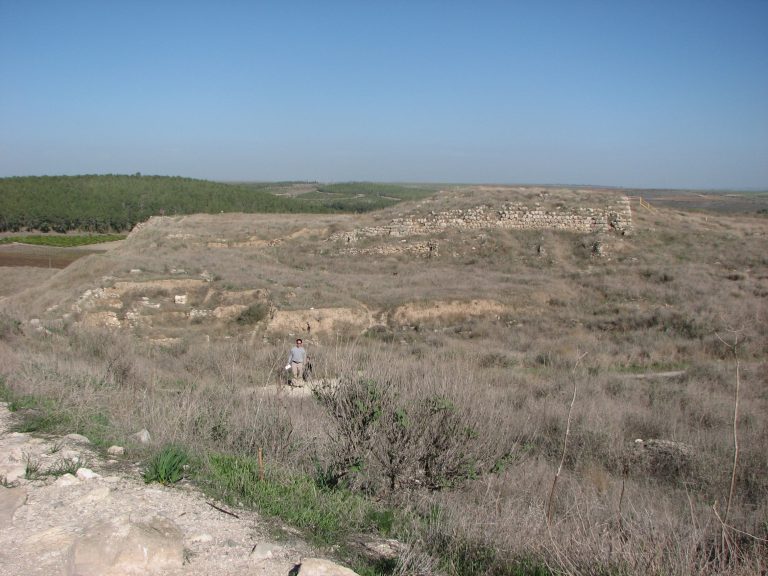
A free, self-paced course in five lessons. Plan on about 20 minutes per lesson. You can read online and try every exercise without an account.
An inscribed stone turned up in a Roman theater. A pottery fragment survived in the ruins of a city. A siege ramp still reaches partway up a hillside. How do archaeologists use those discoveries to work out what happened? You’ll learn to read the clues they use and try their methods on finds from the world of the Bible.
We believe Scripture is true and accurate. In this course, we’ll read biblical passages closely, then examine what has survived from the places and people they describe. We’ll pay attention to what the evidence supports, where scholars disagree, and what remains open.
What you’ll learn
- Explain why the place and layer where something turns up can change how we understand it.
- Use pottery shapes and calibrated radiocarbon ranges to reason about when something happened.
- Read a damaged inscription and tell which letters survive, which have been proposed, and which are disputed.
- Put a biblical passage, a site map, and a carved relief side by side and write a short claim supported by the evidence.
Course lessons
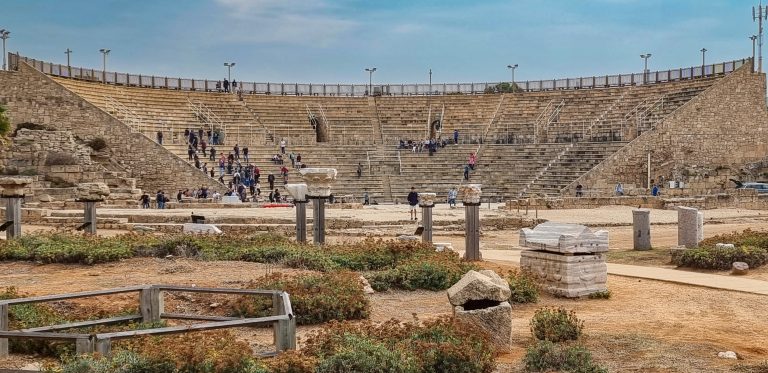
- What Biblical Archaeologists Study. Start with an inscription found in a theater and practice distinguishing an observation from an inference.
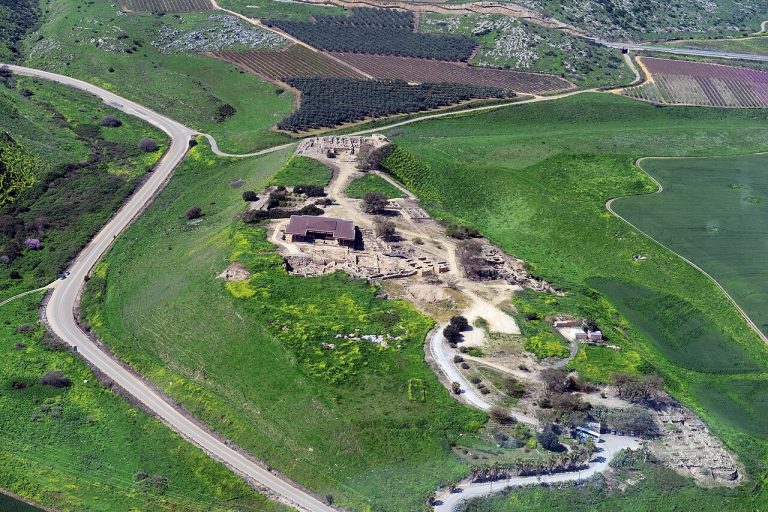
- Reading Excavation Layers and Findspots. Follow a layer at Megiddo and examine how stones from an altar ended up in later buildings.
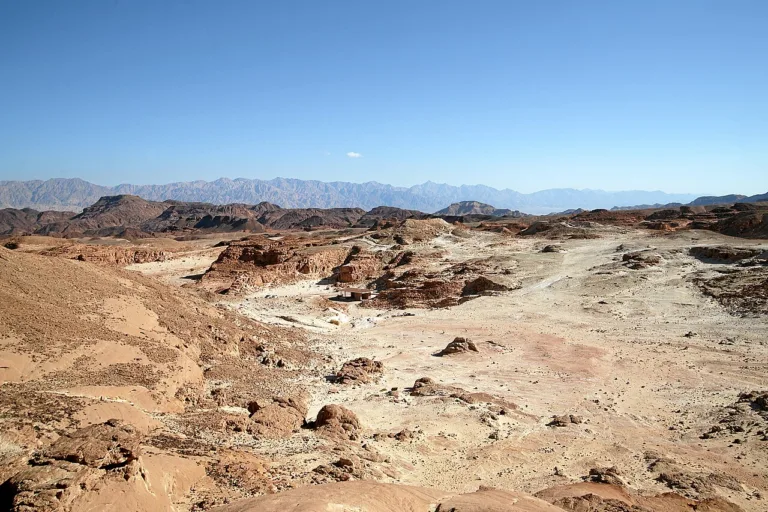
- Dating Sites with Pottery and Radiocarbon. Read real dates from Timna and ask which samples can help date activity at a copper-smelting site.
- How to Read a Broken Inscription. Work with the Mesha Stele and see how a break in the stone affects the reading of a line.
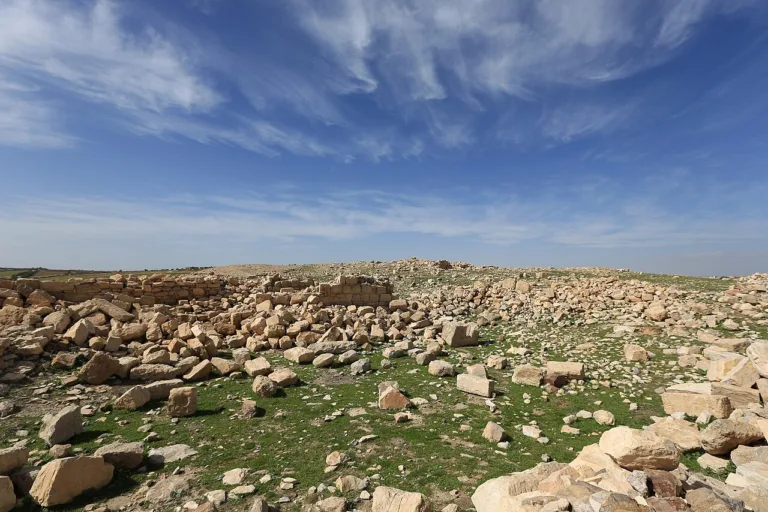
- Investigating the Siege of Lachish. Compare 2 Kings and 2 Chronicles with a site map, excavation evidence, and an Assyrian relief.
How to take the course
Work through the lessons in order. When you reach an exercise, take a moment to write or say your own answer, then open the explanation and compare your reasoning. Lesson 5 ends with a short investigation and a five-question course self-check. Each lesson also points to museum records, excavation reports, or articles you can use to dig deeper.