Cuneiform
-
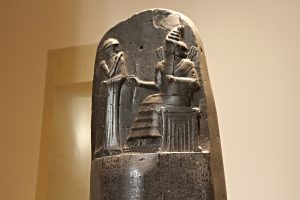
Hammurabi’s Law Stele and the Goring Ox in Exodus
Take one legal case about an ox and its owner from an ancient Babylonian monument to Exodus 21, keeping the similarities and distinct…

-
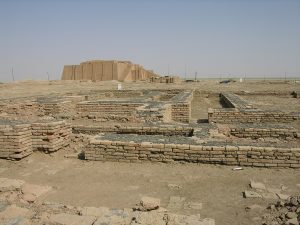
The Nabonidus Cylinder from Ur and the Belshazzar of Daniel
An inscribed clay cylinder from Ur names Belshazzar as Nabonidus’s eldest son. Follow the discovery and read Daniel 5 alongside Babylon’s surviving records.

-
The Gilgamesh Flood Tablet and the Story of Noah
Read what an Assyrian clay tablet preserves about the Babylonian flood and compare how it and Genesis tell the story of survival after…

-
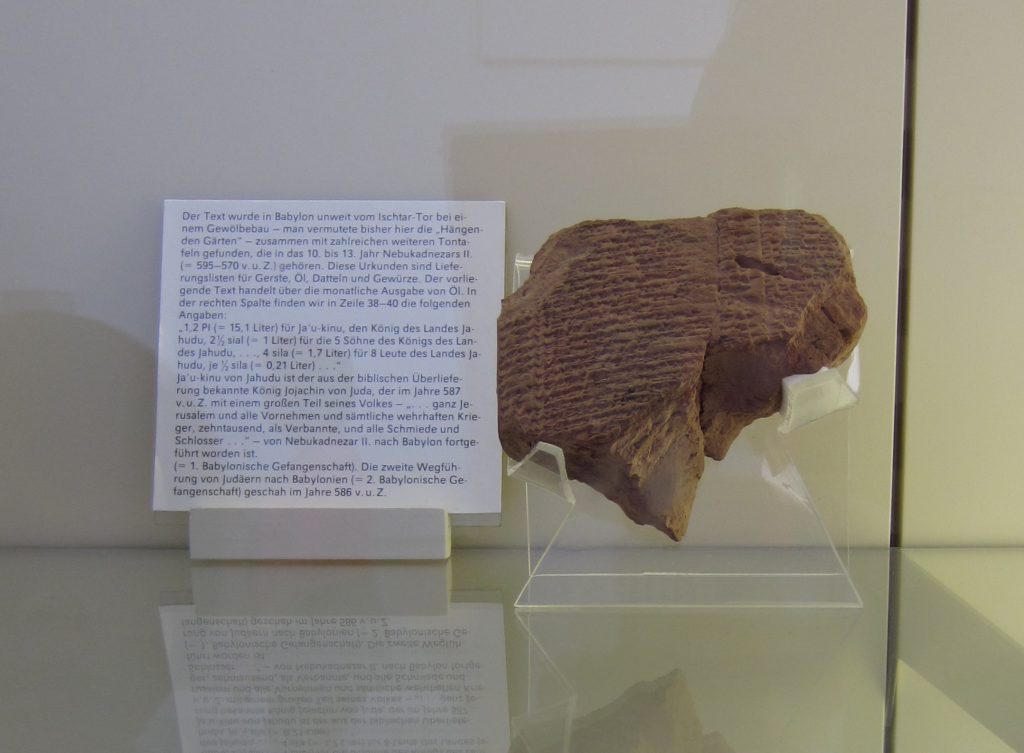
Jehoiachin’s Ration Tablets and the Judean King in Babylon
Babylonian oil records name Jehoiachin and list five Judean princes. The tablets reveal how a captured king’s household was maintained years before the…

A Babylonian oil ration tablet in the Vorderasiatisches Museum, Berlin. Palace records from the same group name Jehoiachin and list members of his household. Scallaham, CC BY-SA 4.0 (license) -
The Cyrus Cylinder and the Return From Babylon
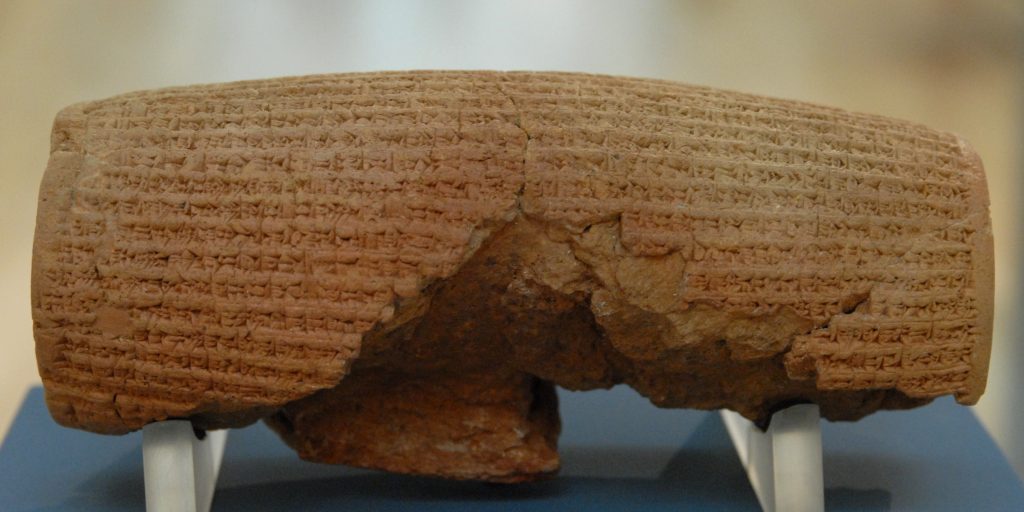
A clay inscription records how Cyrus presented his conquest of Babylon and the restoration of sanctuaries. Compare the Cylinder with the distinct decree…

The Cyrus Cylinder, British Museum 90920. Its Babylonian inscription presents Cyrus as a restorer of the city and its sanctuaries after the Persian conquest. Marie-Lan Nguyen (Jastrow), CC BY 2.5 (license) -
The Taylor Prism and Hezekiah’s Fight for Jerusalem
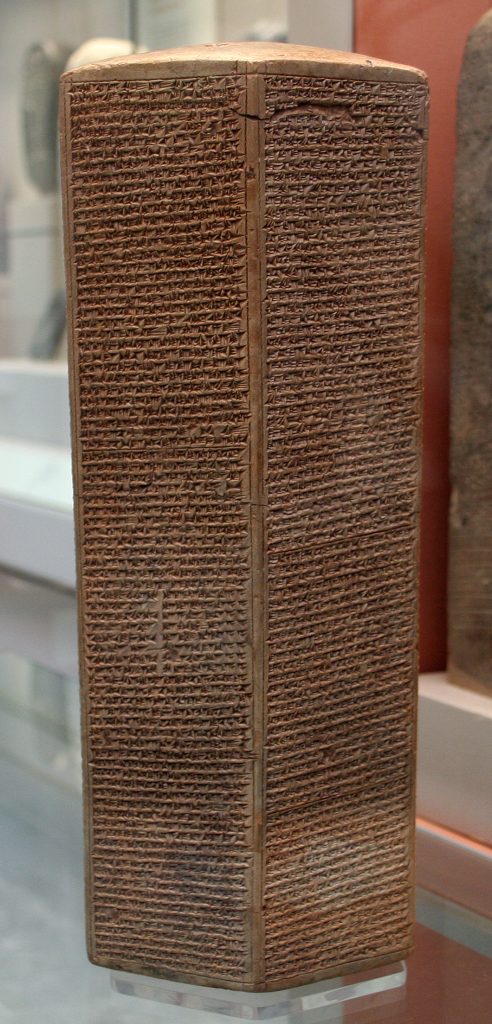
Read Sennacherib’s account of his campaign against Judah alongside 2 Kings, including why the two witnesses agree on gold but differ on silver.

The Taylor Prism in the British Museum, cataloged as BM 91032. Its six faces carry an account of eight campaigns, including Sennacherib’s attack on Judah. David Castor, public domain -
The Babylonian Chronicle and the Capture of Jerusalem in 597 BC
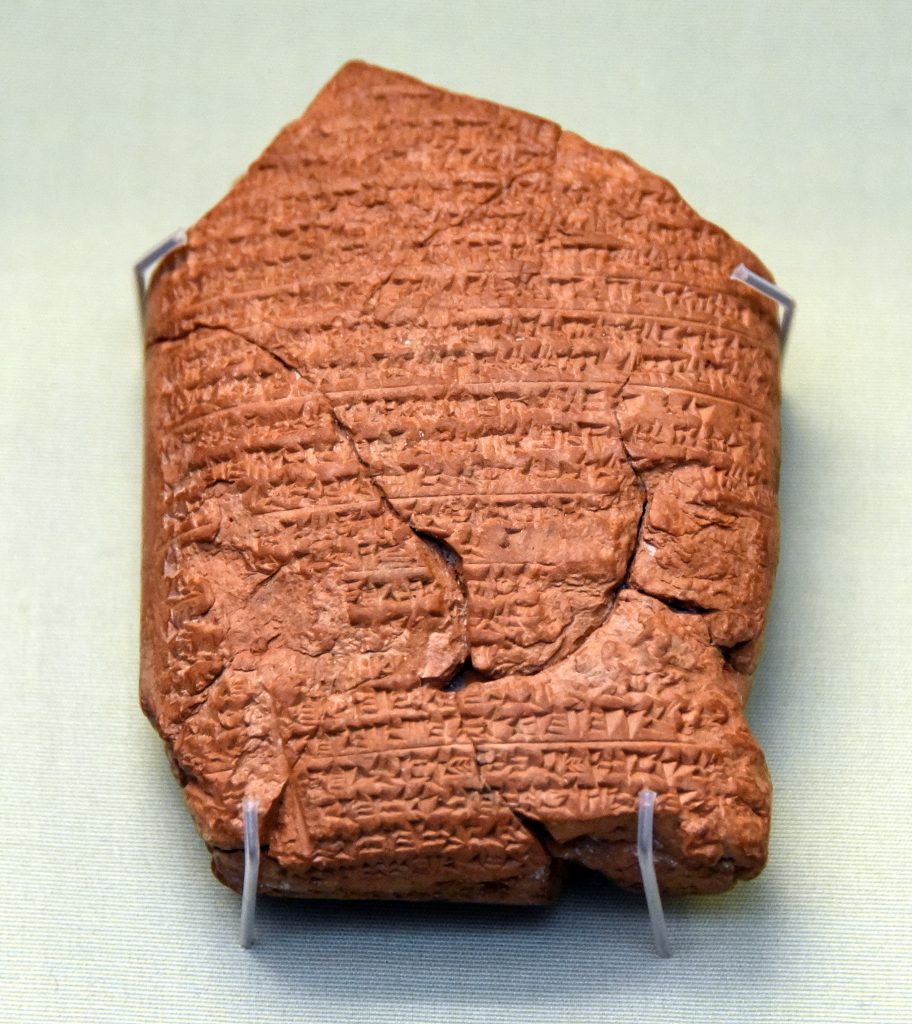
A Babylonian clay tablet dates Jerusalem’s capture, clarifies the reigns of Judah’s last kings, and helps distinguish the deportation of Jehoiachin from the…

The chronicle of Nebuchadnezzar II’s early years, British Museum BM 21946. Its account of the taking of Jerusalem is on the reverse. The captive king was Jehoiachin. Osama Shukir Muhammed Amin FRCP(Glasg), CC BY-SA 4.0 (license)