Isaiah
-
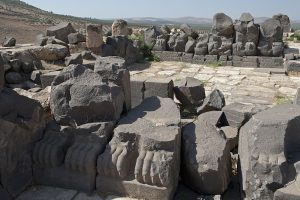
Ain Dara’s Giant Footprints and the Temple in 1 Kings
Follow the stone thresholds of the Ain Dara temple in Syria, then compare its rooms and guardians with the Jerusalem temple described in…

-
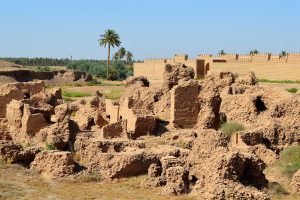
The Nabonidus Chronicle and the Fall of Babylon
Read the Babylonian tablet’s account of Cyrus entering Babylon in 539 BC, then compare its evidence with Daniel and Ezra.
-
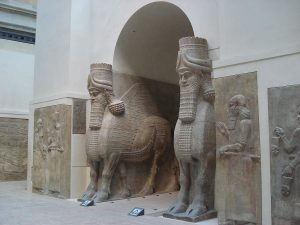
Sargon II at Khorsabad and the Fall of Ashdod
Excavations at Khorsabad uncovered the palace and annals of the Assyrian king named in Isaiah 20. Discover what his inscriptions reveal about Ashdod…

-
Hezekiah’s Seal Impression and the Documents of Judah
Study the Hebrew lettering, papyrus and cord traces on a seal impression recovered from an excavated deposit on Jerusalem’s Ophel.

-
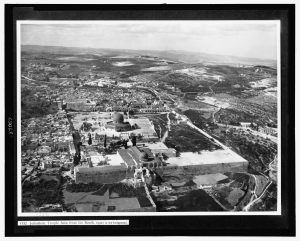
Jerusalem’s Broad Wall and the Houses Beneath It
A seven-meter-wide Iron Age wall changed the shape of Jerusalem. Follow its excavated foundations and the evidence for connecting it with Hezekiah’s defenses.
-
Qumran, the Settlement Beside the Scroll Caves
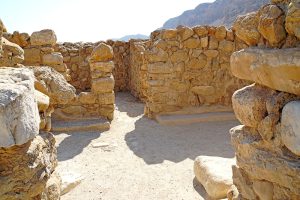
Explore Qumran’s desert ruins, water system, and manuscript caves, and see why archaeologists disagree about the people who lived there.
-
Reading Isaiah 53 in the Great Isaiah Scroll
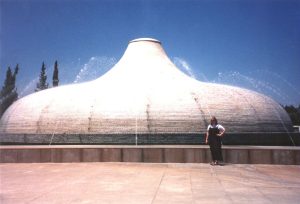
A manuscript found near Qumran lets us see how ancient copyists preserved Isaiah and why one word in chapter 53 appears in some…

-
The Cyrus Cylinder and the Return From Babylon
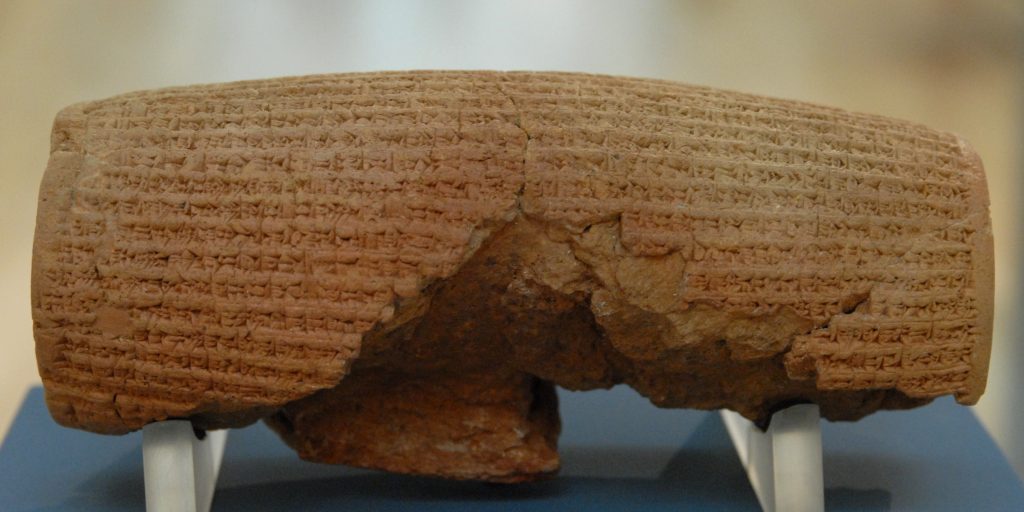
A clay inscription records how Cyrus presented his conquest of Babylon and the restoration of sanctuaries. Compare the Cylinder with the distinct decree…

The Cyrus Cylinder, British Museum 90920. Its Babylonian inscription presents Cyrus as a restorer of the city and its sanctuaries after the Persian conquest. Marie-Lan Nguyen (Jastrow), CC BY 2.5 (license) -
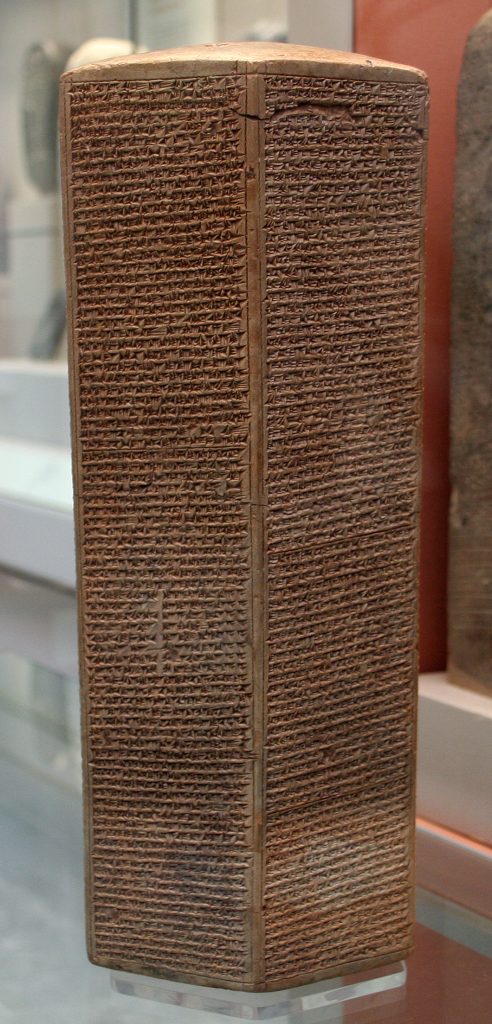
The Taylor Prism and Hezekiah’s Fight for Jerusalem
Read Sennacherib’s account of his campaign against Judah alongside 2 Kings, including why the two witnesses agree on gold but differ on silver.

The Taylor Prism in the British Museum, cataloged as BM 91032. Its six faces carry an account of eight campaigns, including Sennacherib’s attack on Judah. David Castor, public domain