Jeremiah
-
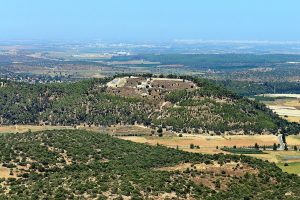
The Azekah Inscription and Judah’s Western Frontier
Two cuneiform fragments name Azekah and Judah. Follow the case for Sennacherib’s campaign, the case for Sargon II, and the hill town’s place…

-
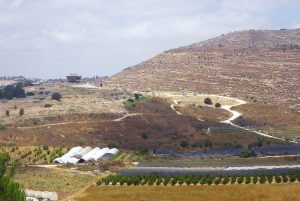
Tel Shiloh, the burned storehouses, and the Ark narrative
Iron Age jars and fire debris give Shiloh a history beyond the familiar stories of Hannah, Samuel, and the Ark. Here is what…

-
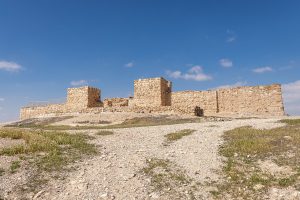
The Arad Military Ostraca and Judah’s Last Years
Hebrew letters from Tel Arad preserve orders for supplies and troops. They show the everyday work of a Judahite fort shortly before Jerusalem…
-
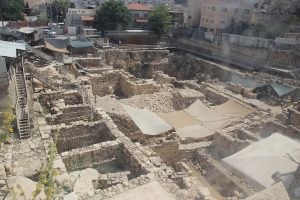
The Natan-Melech Seal Impression and Josiah’s Court
A clay seal impression from Jerusalem names Natan-Melech, servant of the king. The rare name matches an official mentioned during Josiah’s reforms.
-
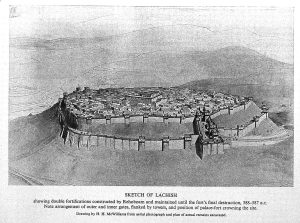
The Lachish Letters and the watch for Azekah’s signals
Read the messages found at Lachish’s gate, what their writers could see, and how the ostraca illuminate Jeremiah’s account of Judah’s last fortified…

-
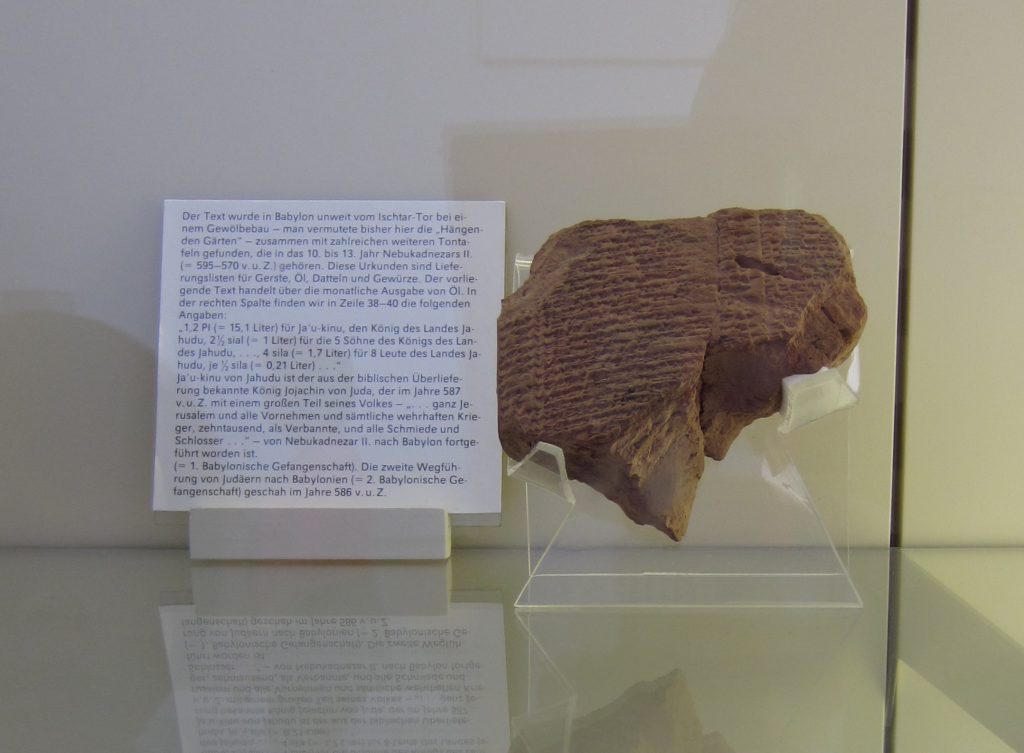
Jehoiachin’s Ration Tablets and the Judean King in Babylon
Babylonian oil records name Jehoiachin and list five Judean princes. The tablets reveal how a captured king’s household was maintained years before the…

A Babylonian oil ration tablet in the Vorderasiatisches Museum, Berlin. Palace records from the same group name Jehoiachin and list members of his household. Scallaham, CC BY-SA 4.0 (license) -
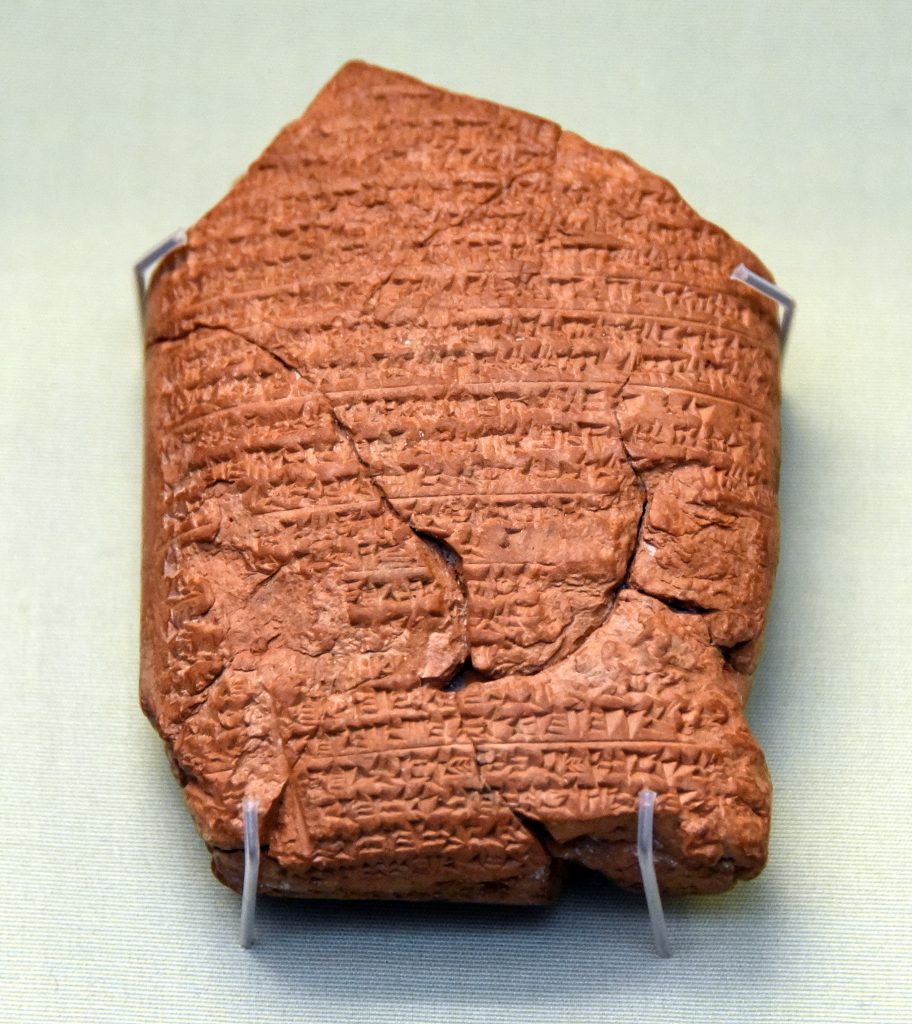
The Babylonian Chronicle and the Capture of Jerusalem in 597 BC
A Babylonian clay tablet dates Jerusalem’s capture, clarifies the reigns of Judah’s last kings, and helps distinguish the deportation of Jehoiachin from the…

The chronicle of Nebuchadnezzar II’s early years, British Museum BM 21946. Its account of the taking of Jerusalem is on the reverse. The captive king was Jehoiachin. Osama Shukir Muhammed Amin FRCP(Glasg), CC BY-SA 4.0 (license)