Jerusalem
-
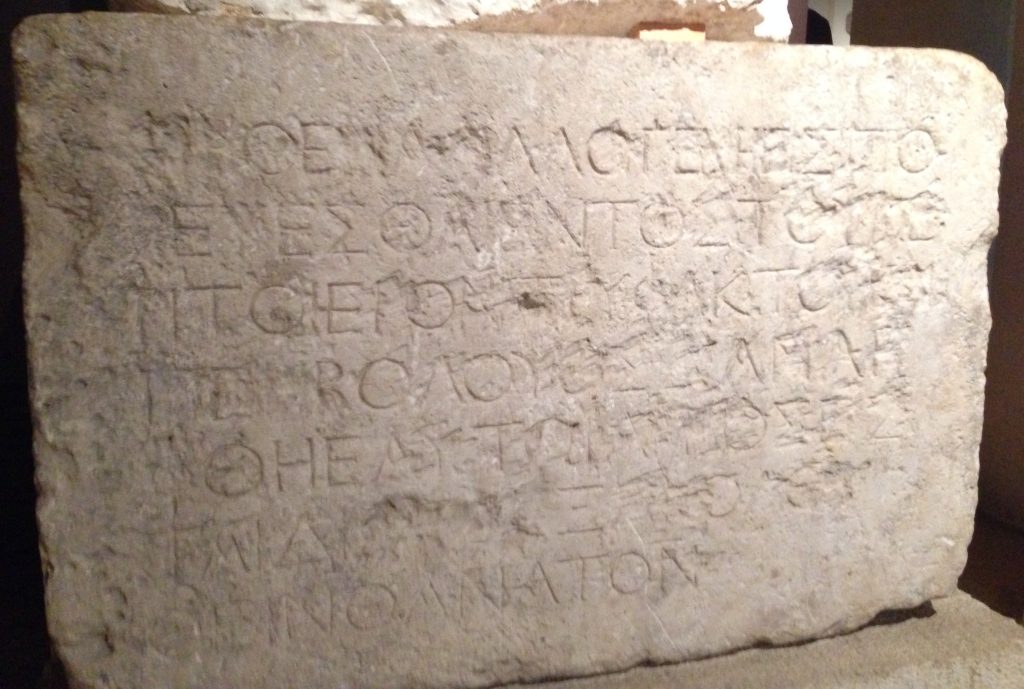
The Theodotos Inscription and a Synagogue That Welcomed Travelers
A Greek inscription from Jerusalem records the reading of Torah, the teaching of commandments and lodging for visitors in the late Second Temple…

-
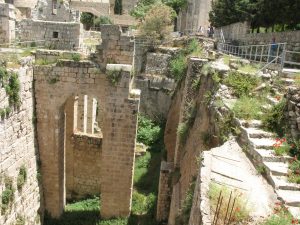
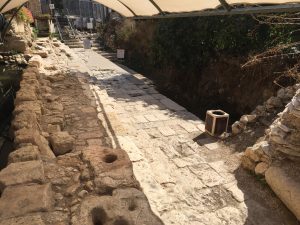
The Pool of Bethesda and the Five Porticoes of John 5
Explore Jerusalem’s twin pools, how their dividing wall helps explain John’s five porticoes, and the healing that brings the setting to life.

-
The Ketef Hinnom silver amulets and the blessing in Numbers
Two tiny silver rolls from a Jerusalem burial cave preserve some of the earliest known words also found in Scripture, including language from…
-
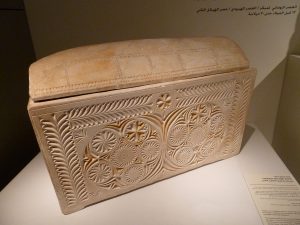
The Ossuary Bearing Caiaphas’s Name
Follow a Jerusalem rescue excavation from a family tomb to a rare inscribed name, then read what the Gospel of John says about…
-
The Pool of Siloam and the Man Who Washed There
Compare two excavated pool sites in Jerusalem and see how the debate over their ancient names helps us read John 9.
-
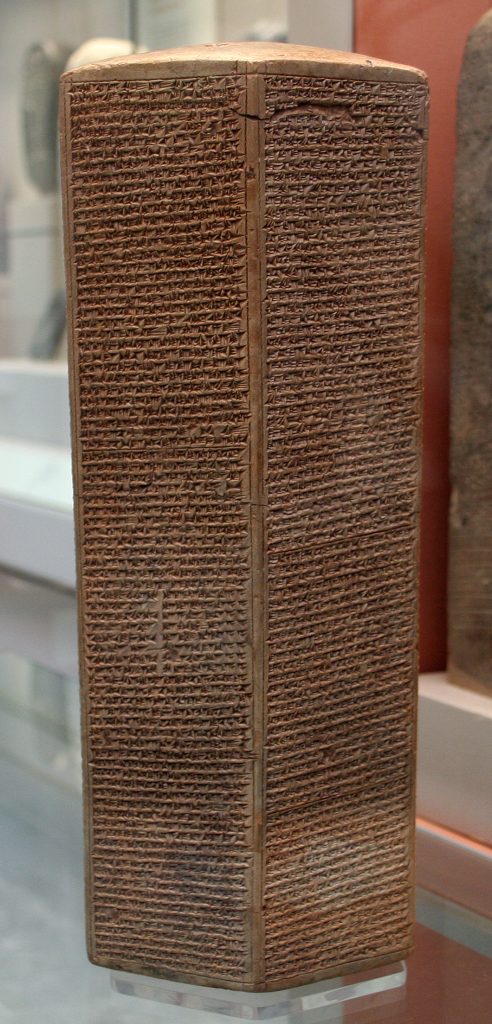
The Taylor Prism and Hezekiah’s Fight for Jerusalem
Read Sennacherib’s account of his campaign against Judah alongside 2 Kings, including why the two witnesses agree on gold but differ on silver.

The Taylor Prism in the British Museum, cataloged as BM 91032. Its six faces carry an account of eight campaigns, including Sennacherib’s attack on Judah. David Castor, public domain -
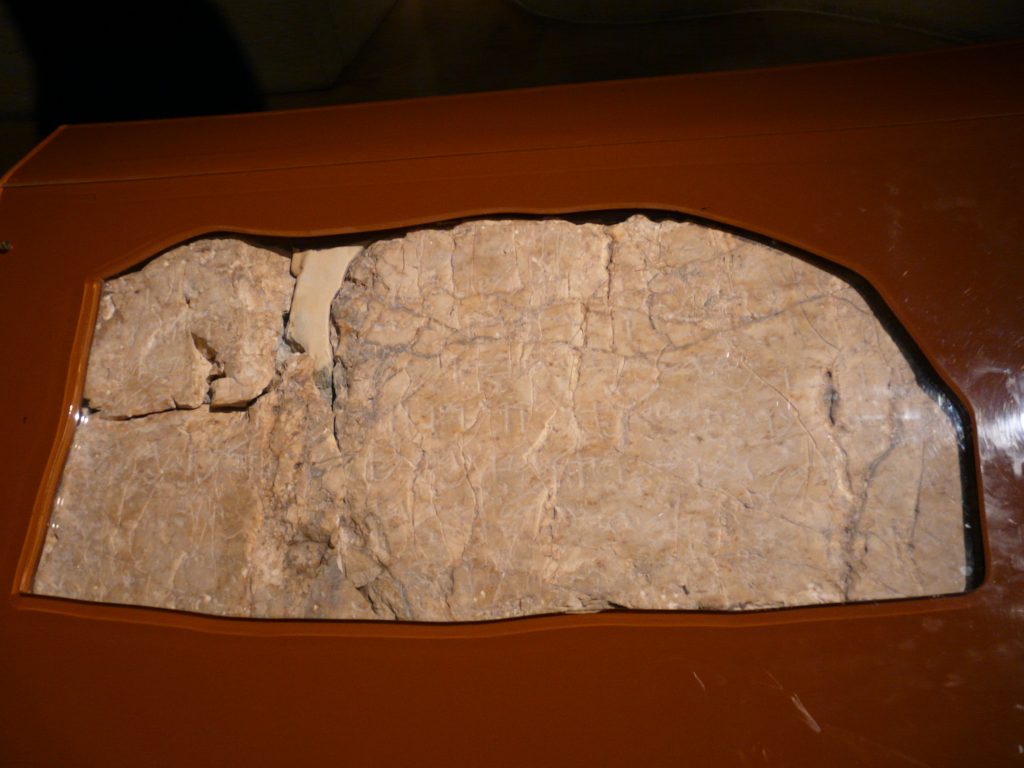
The Siloam Inscription and the Water Beneath Jerusalem
Follow water from the Gihon Spring through the Siloam Tunnel, read the ancient Hebrew inscription, and see why the tunnel is associated with…

The original Siloam Inscription, now in the Istanbul Archaeology Museums. The lettering records the opening of the passage and the flow of water. Yong Woo Park (ywpark2003), CC0 1.0 (license) -
The Temple Warning Inscription and Paul’s Arrest in Jerusalem
Two Greek notices survive from the inner boundary of Jerusalem’s Second Temple. Read their warning alongside Josephus, the arrest of Paul in Acts,…

The nearly complete Greek warning, found in 1871, is now in the Istanbul Archaeology Museums. Oncenawhile · CC BY-SA 3.0 (license) -
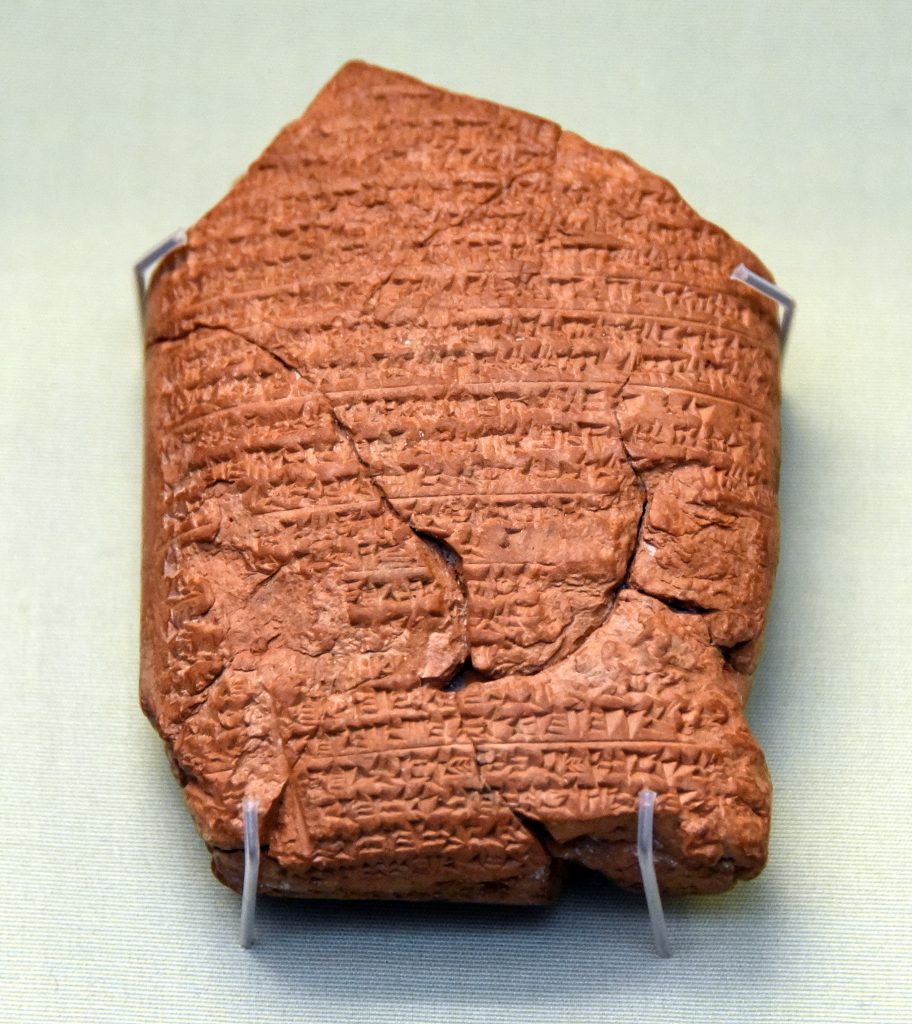
The Babylonian Chronicle and the Capture of Jerusalem in 597 BC
A Babylonian clay tablet dates Jerusalem’s capture, clarifies the reigns of Judah’s last kings, and helps distinguish the deportation of Jehoiachin from the…

The chronicle of Nebuchadnezzar II’s early years, British Museum BM 21946. Its account of the taking of Jerusalem is on the reverse. The captive king was Jehoiachin. Osama Shukir Muhammed Amin FRCP(Glasg), CC BY-SA 4.0 (license)