Discoveries
-
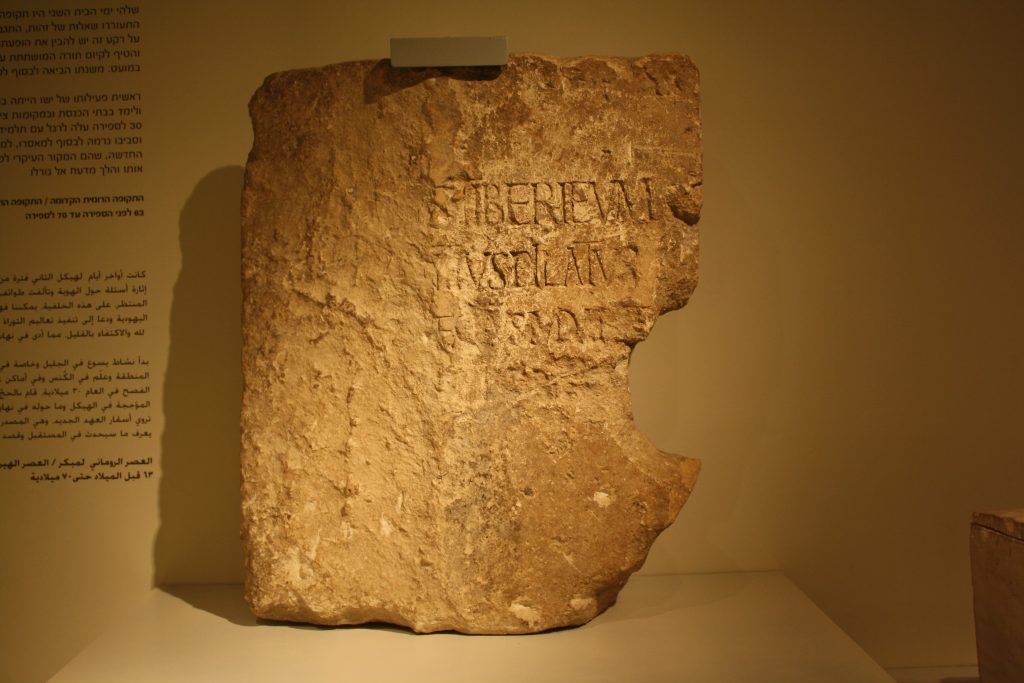
The Pilate Inscription from Caesarea
A damaged Latin dedication from Caesarea names Pontius Pilate and preserves his Roman title. See how its surviving letters, archaeological context, and the…

The original Pilate inscription at the Israel Museum. The damage along the left side is visible in the surviving lettering. BRBurton · CC0 1.0 (license) -
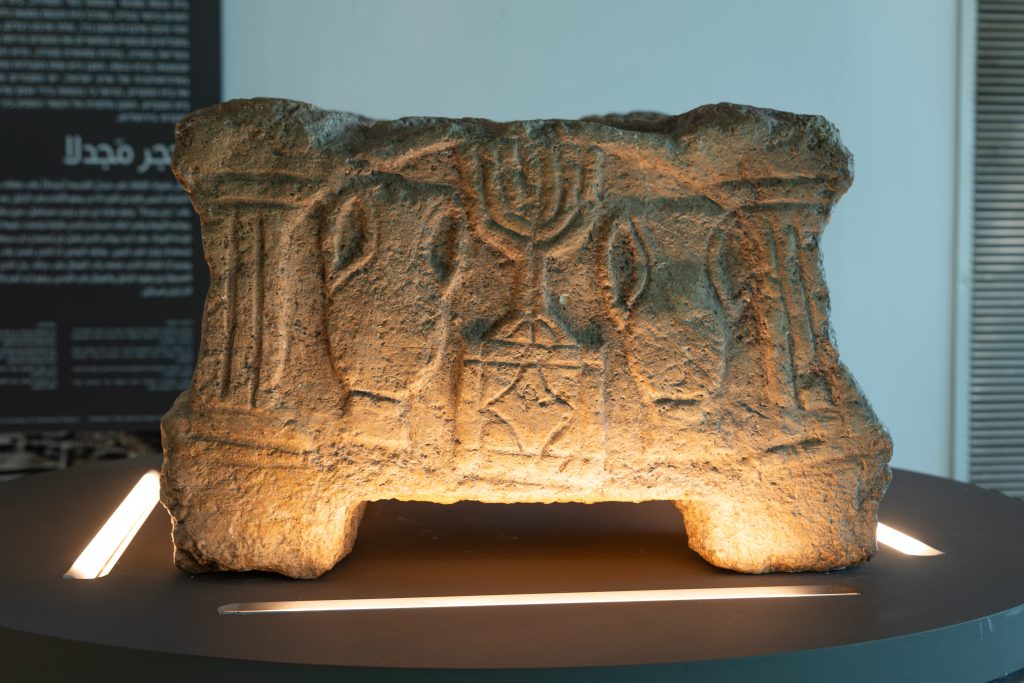
The Magdala Stone and the Synagogue by the Lake
A carved menorah at Magdala opens a window into Jewish worship in the Galilee of Jesus’ day. Explore the excavated synagogue, the stone’s…
A replica of the Magdala Stone at the Yigal Allon Center. The menorah is on the short face. The ancient original is reproduced in the linked excavation report. Oren Rozen · CC BY-SA 4.0 (license) -
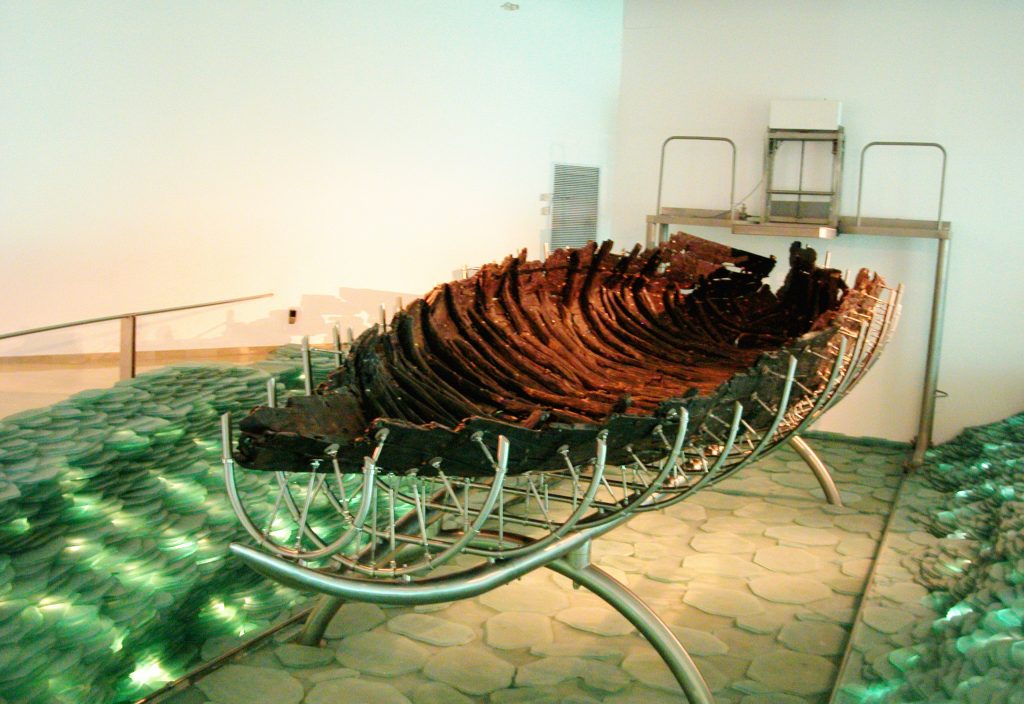
The Sea of Galilee Boat and the Fishermen of the Gospels
A boat discovered in 1986 preserves the hull of a working vessel from the era of Jesus. Its size, repairs, and rescue illuminate…

The excavated hull on display at the Yigal Allon Centre in Ginosar. Much of the lower boat survived in lake mud. Ywpark2003 (Prof. Yong Woo Park) · CC0 1.0 (license) -
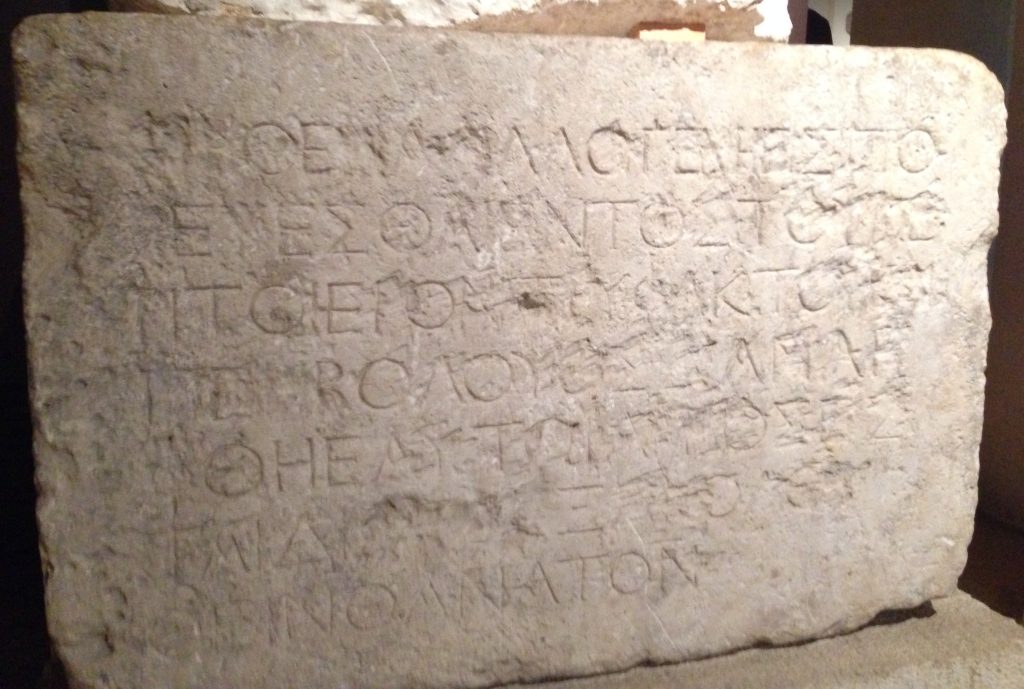
The Temple Warning Inscription and Paul’s Arrest in Jerusalem
Two Greek notices survive from the inner boundary of Jerusalem’s Second Temple. Read their warning alongside Josephus, the arrest of Paul in Acts,…

The nearly complete Greek warning, found in 1871, is now in the Istanbul Archaeology Museums. Oncenawhile · CC BY-SA 3.0 (license) -
Gallio’s Delphi Inscription and Paul’s Hearing in Corinth
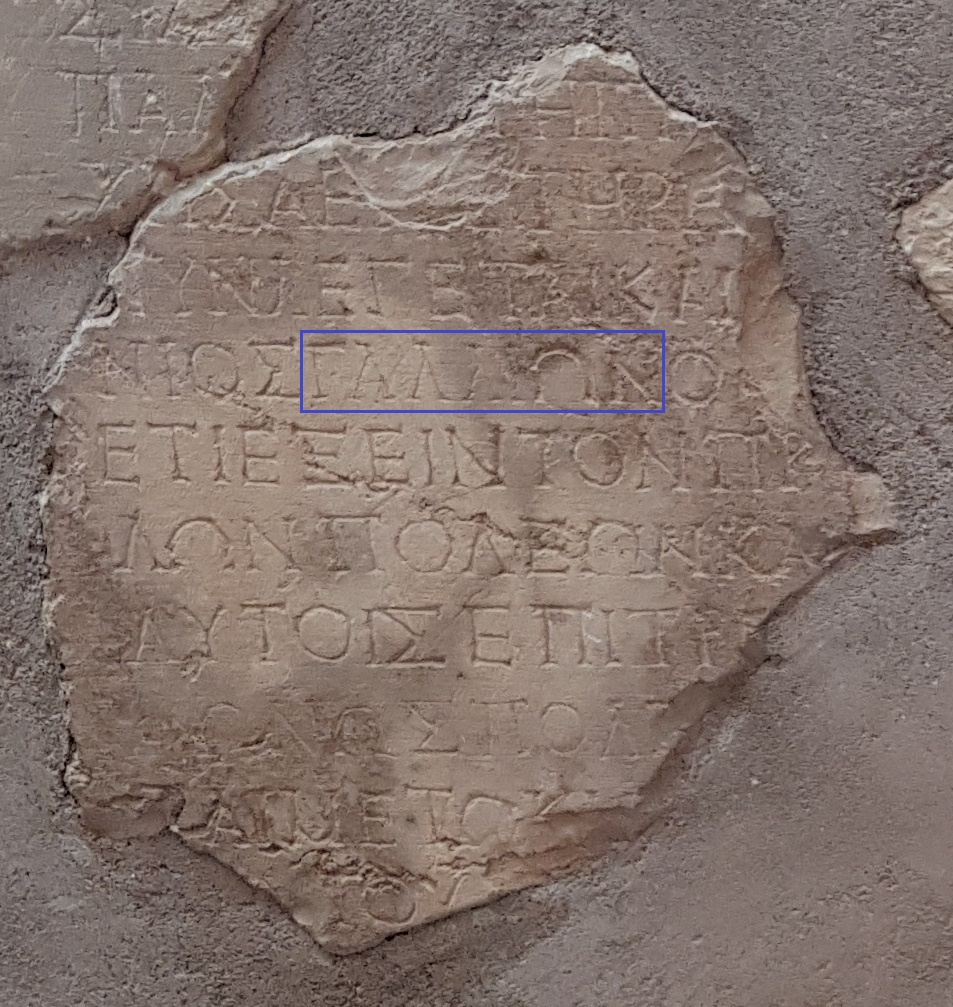
Nine fragments of an imperial letter from Delphi name the Roman official who heard Paul’s accusers in Corinth. Find out how the inscription…

The surviving fragments of Claudius’s letter at Delphi. The text names Gallio and includes the imperial title used to date the letter. Gérard · CC BY-SA 4.0 (license) -
The Babylonian Chronicle and the Capture of Jerusalem in 597 BC
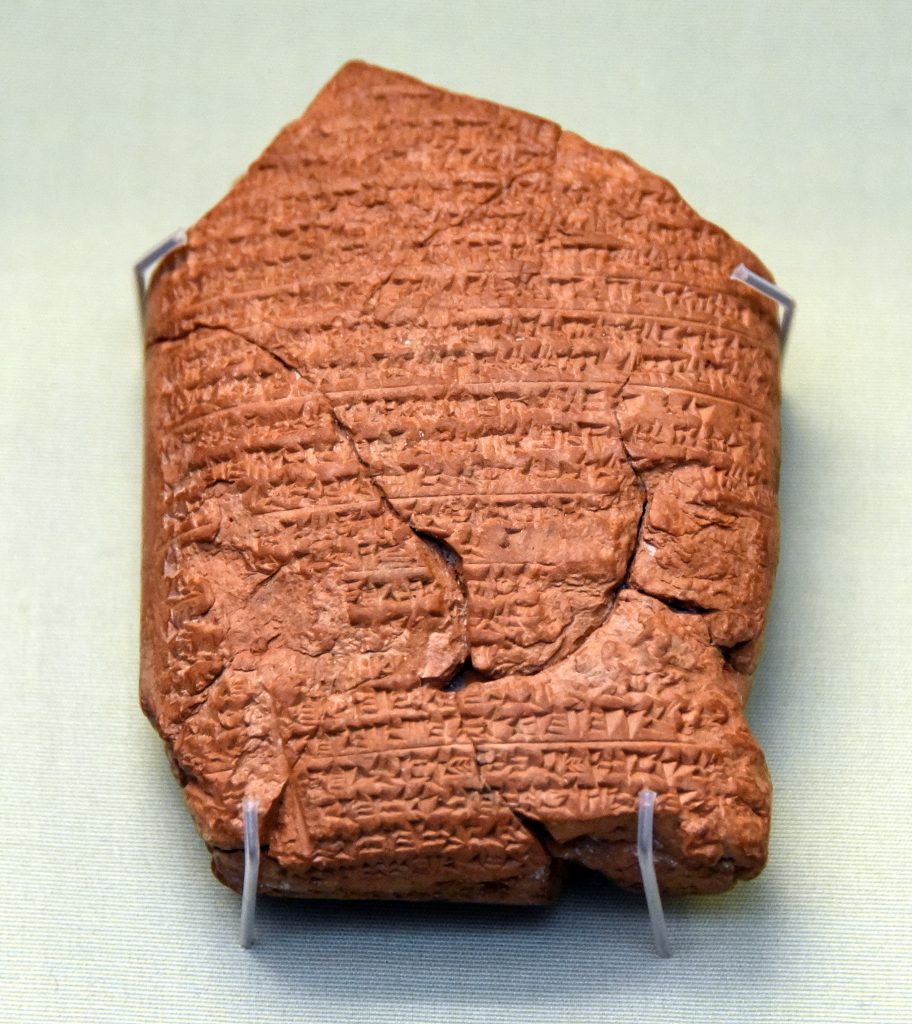
A Babylonian clay tablet dates Jerusalem’s capture, clarifies the reigns of Judah’s last kings, and helps distinguish the deportation of Jehoiachin from the…

The chronicle of Nebuchadnezzar II’s early years, British Museum BM 21946. Its account of the taking of Jerusalem is on the reverse. The captive king was Jehoiachin. Osama Shukir Muhammed Amin FRCP(Glasg), CC BY-SA 4.0 (license) -
The Mesha Stele and Moab’s Revolt Against Israel
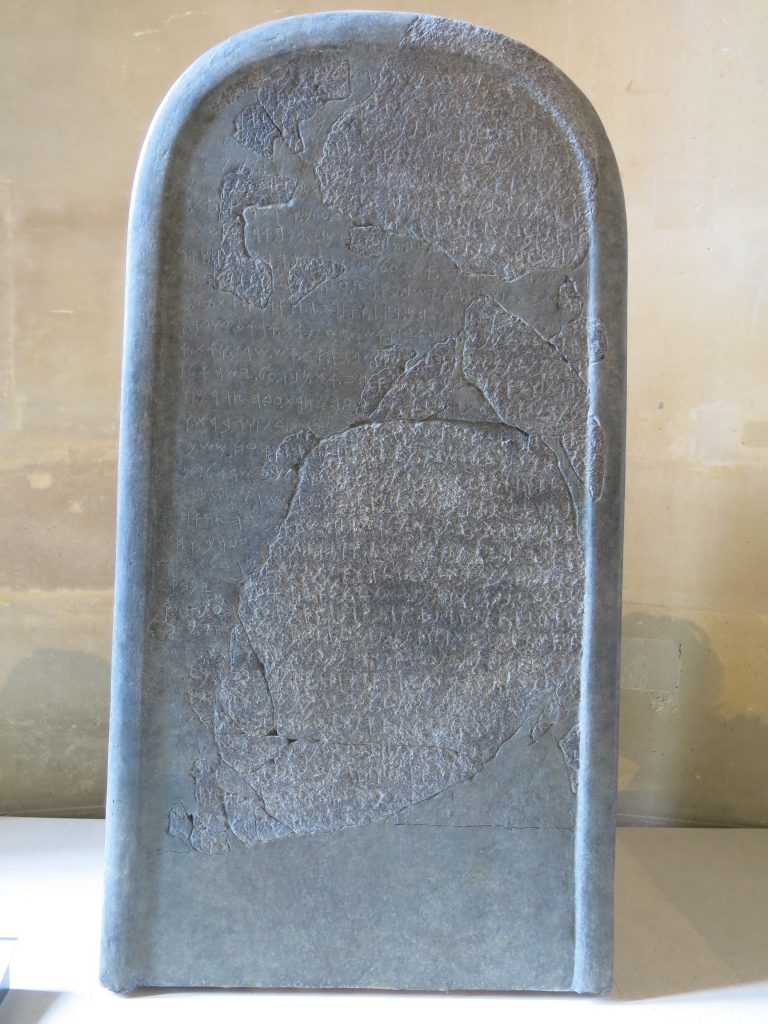
A Moabite king’s victory inscription names Israel, Omri and the Lord’s name. Read it alongside the campaign, reversals and difficult ending of 2…

The Mesha Stele, Louvre AO 5066. Irregular joins across the inscribed surface mark the breakage and reconstruction. Tangopaso, public-domain dedication -
The Merneptah Stele and the earliest widely accepted mention of Israel
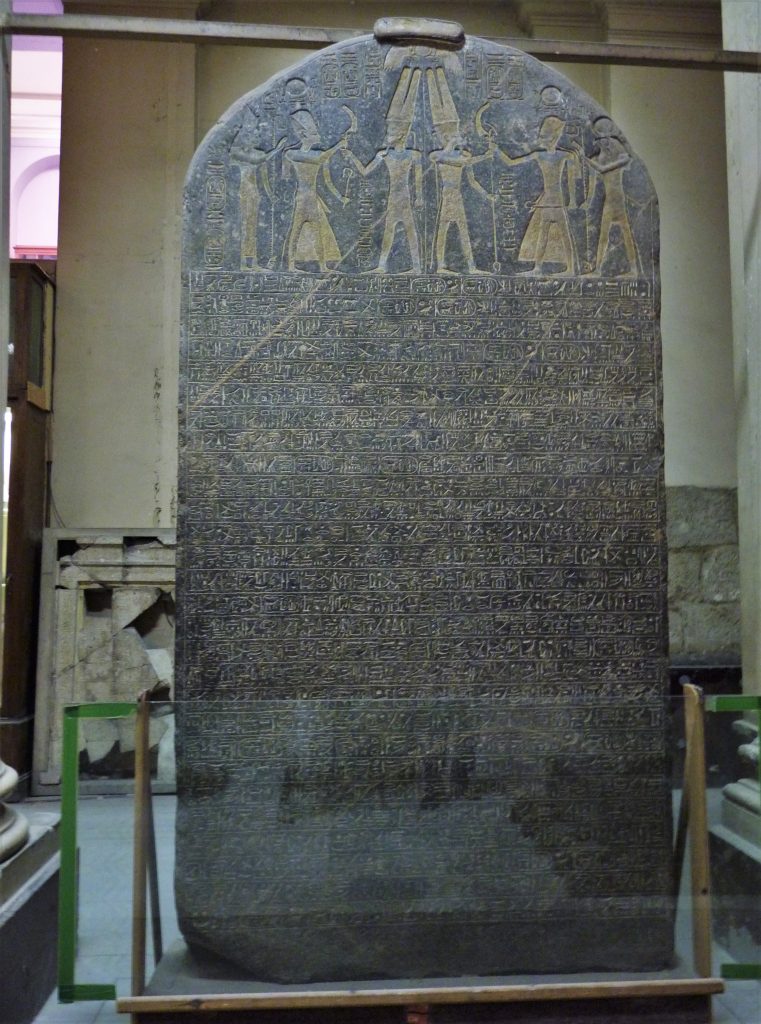
An Egyptian victory monument from about 1208 BC names Israel among the peoples of Canaan. Read the hieroglyphs, the excavation story and the…

Merneptah's victory inscription covers one face of an older Egyptian monument. Near the foot of the stone, a single line names Israel. Alyssa Bivins, CC BY-SA 4.0 (license) -
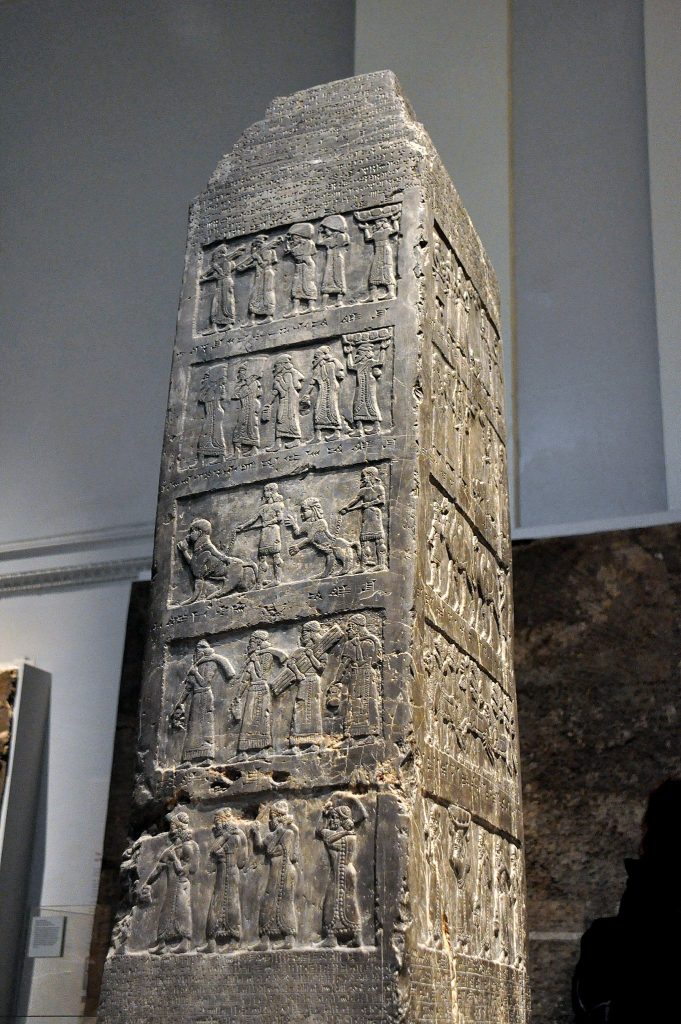
The Black Obelisk of Shalmaneser III and the tribute of Jehu
An Assyrian monument records tribute from Jehu of Israel. See what the carving shows, why it calls him a son of Omri and…

The Black Obelisk stands nearly two metres tall. The five horizontal bands wrap around the stone, each depicting a different delegation presenting tribute. Osama Shukir Muhammed Amin FRCP(Glasg), CC BY-SA 4.0 (license) -
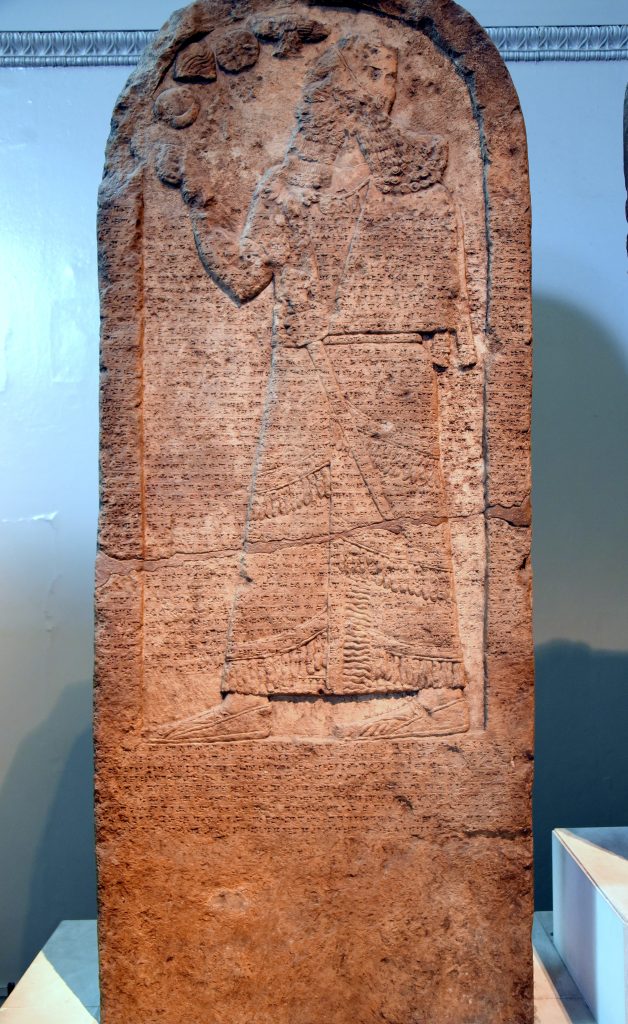
The Kurkh Monolith and Ahab at the Battle of Qarqar
An Assyrian king recorded facing Ahab of Israel at Qarqar in 853 BC. Read the battle list and see how its account fits…

The front of the Kurkh monument shows Shalmaneser III beneath divine symbols. The inscription that wraps onto the back names Ahab of Israel. Osama Shukir Muhammed Amin FRCP(Glasg), CC BY-SA 4.0 (license)